
Tucked behind the bustling Boulevard and hidden from the shikara routes, Downtown Srinagar (locally called “Shehr-e-Khaas”) is a labyrinth of narrow lanes, 400-year-old wooden houses, towering khanqahs, and spice-scented bazaars. This is the real Srinagar — where the city has been breathing for over a millennium, where every brick has a story, and where the call to prayer still echoes exactly as it did centuries ago.
It’s the last surviving medieval Islamic city centre in the entire Himalayan region. Here you’ll see Kashmiri life unchanged: copper-smiths hammering, bakers sliding fresh girda into tandoors at 5 AM, women buying kangri charcoal, and children flying kites from 200-year-old rooftops.
Built in 1400 (rebuilt after fires), this is one of the most beautiful wooden mosques in the world. 370+ deodar pillars, each carved from a single tree trunk, support the roof. The courtyard can hold 33,000 worshippers.
Stunning 14th-century wooden masterpiece on the banks of Jhelum. Intricate papier-mâché interiors and khatamband ceilings. Non-Muslims usually not allowed inside but the exterior and riverside view are breathtaking.
Cluster of seven ancient temples along the Jhelum (some dating back to 8th–12th century). Best preserved: Pandrethan temple (sunken in an army camp but visible).
The hill that dominates Srinagar’s skyline:
Oldest market streets: saffron, dried vegetables, wicker baskets, copperware, and the famous Kashmiri noon chai stalls.
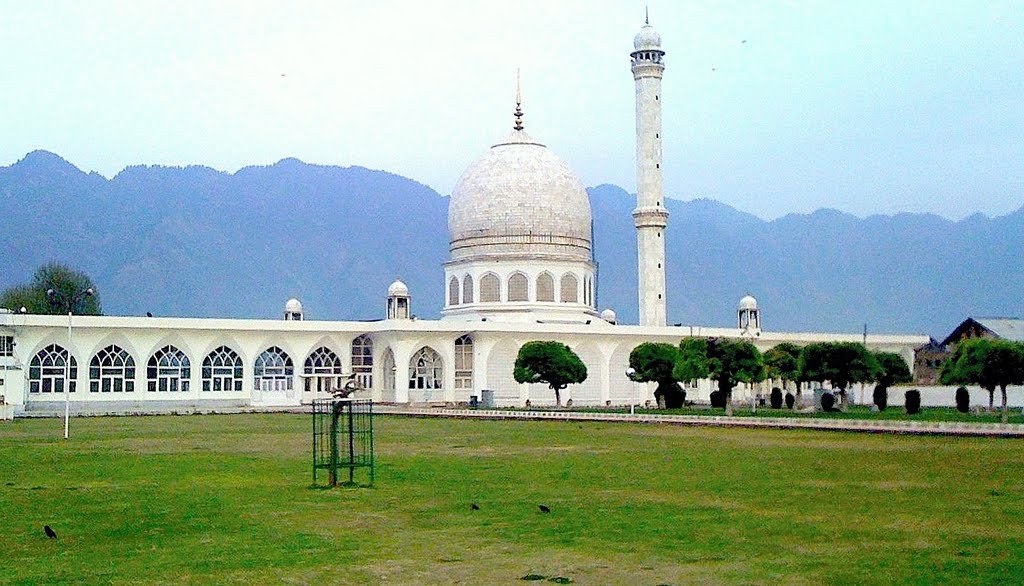
Second-oldest mosque (1415) and the modest tomb of Sultan Zain-ul-Abidin (“Budshah” – the greatest Kashmiri king).
Built by Nur Jahan in 1623 — stark stone (no wood) and ironically never used for prayers.
Old City Srinagar is raw, chaotic, fragrant, and utterly soul-stirring. While Dal Lake gives you Kashmir’s beauty, Downtown gives you its beating heart.
Pro tip: Visit on a Thursday evening — the entire old city lights up with thousands of oil lamps for the weekly “Shab-e-Jumma” tradition at Khanqah-e-Moula. Pure magic.


Copyright Kashmir Vibe | Design & SEO By SeoMP