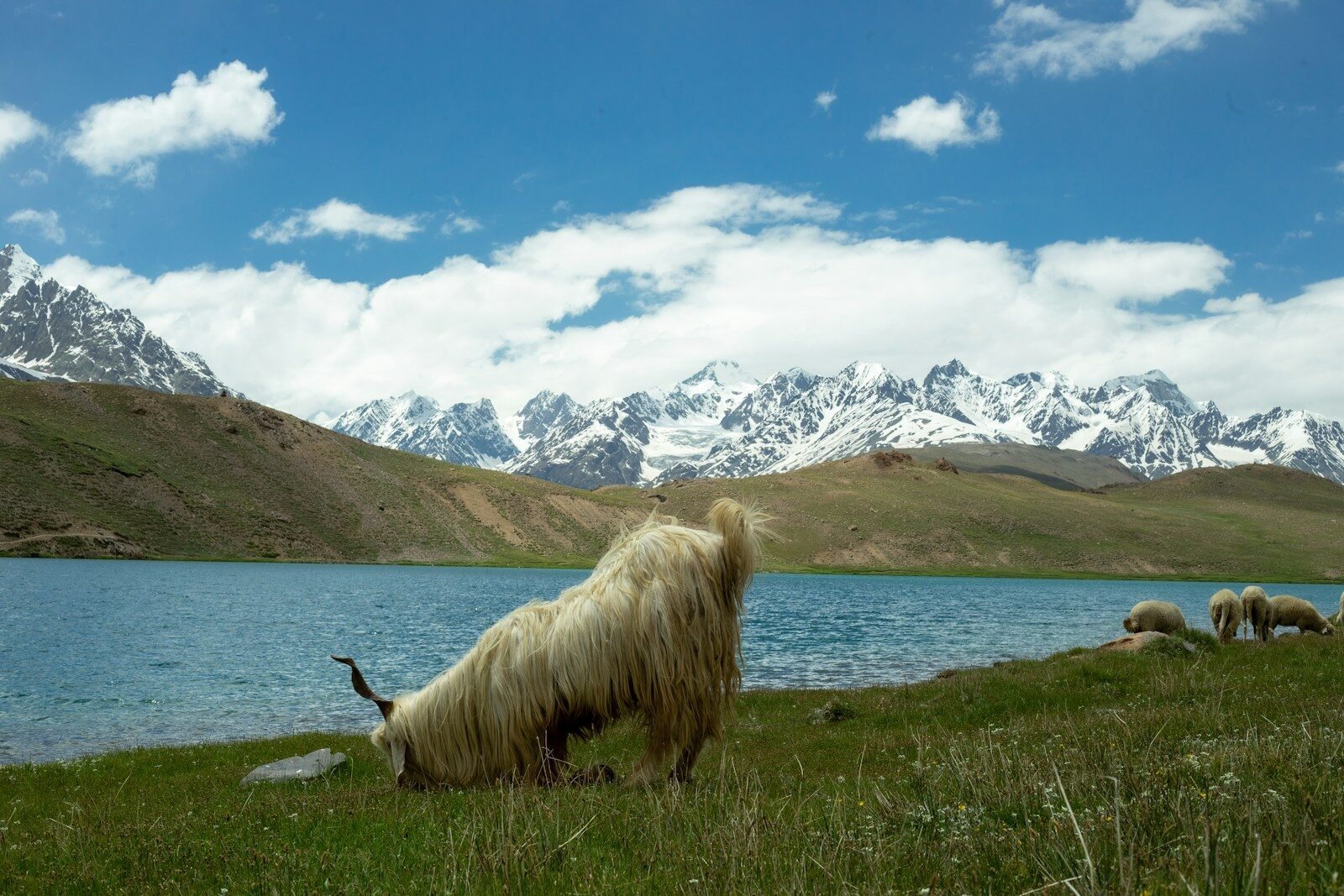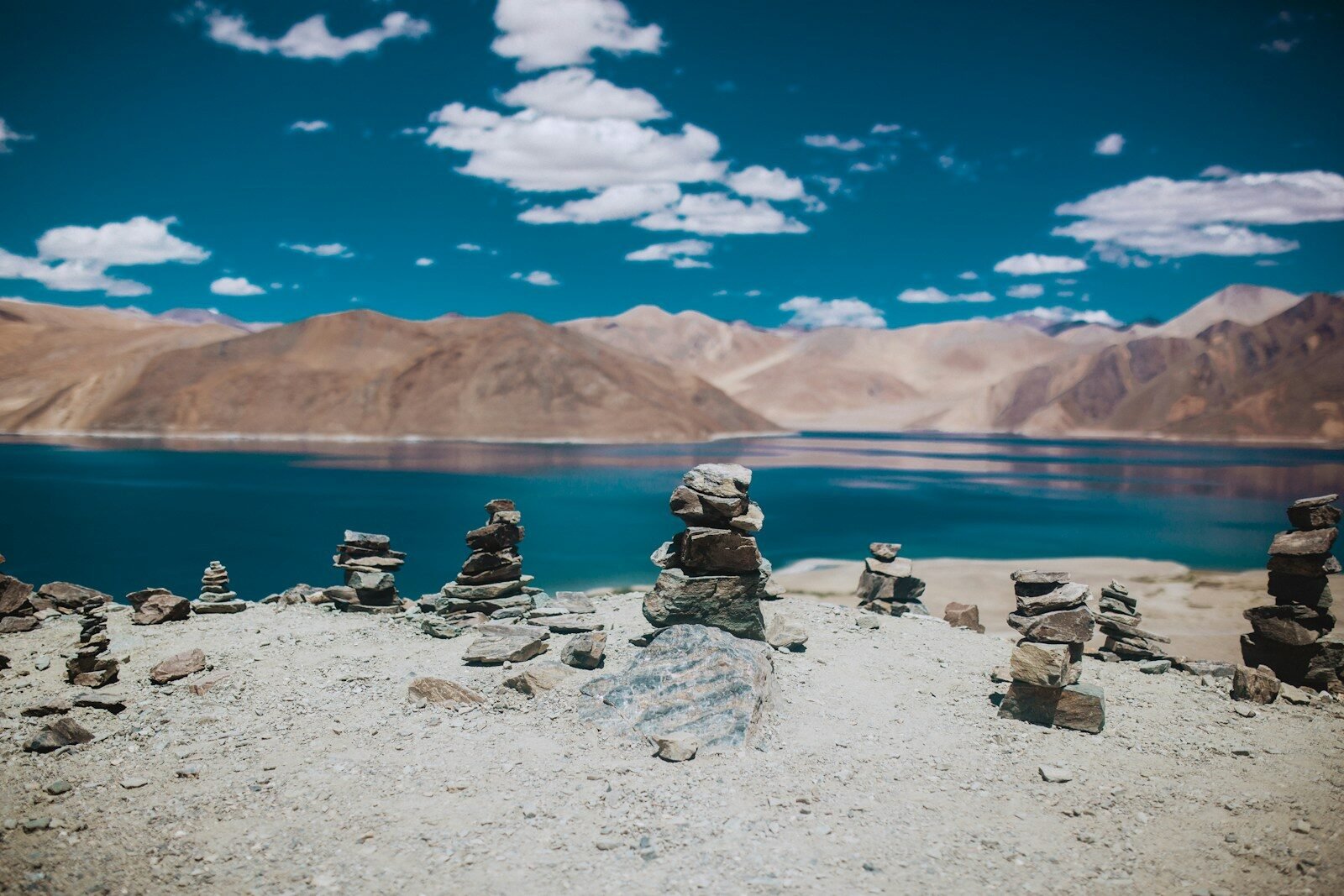

At 3,000 m, Nubra Valley feels like a geographical miracle: a wide, green river valley surrounded by some of the highest mountains on earth, yet filled with sand dunes, double-humped Bactrian camels, and apricot orchards. Cross the mighty Khardung La (5,359 m) and suddenly the barren Ladakh landscape explodes into a cold-desert paradise fed by the Shyok and Nubra (Siachen) rivers.
The star attraction. Ride a Bactrian camel (₹500–800 for 20–30 min) or just roll down the dunes at sunset.
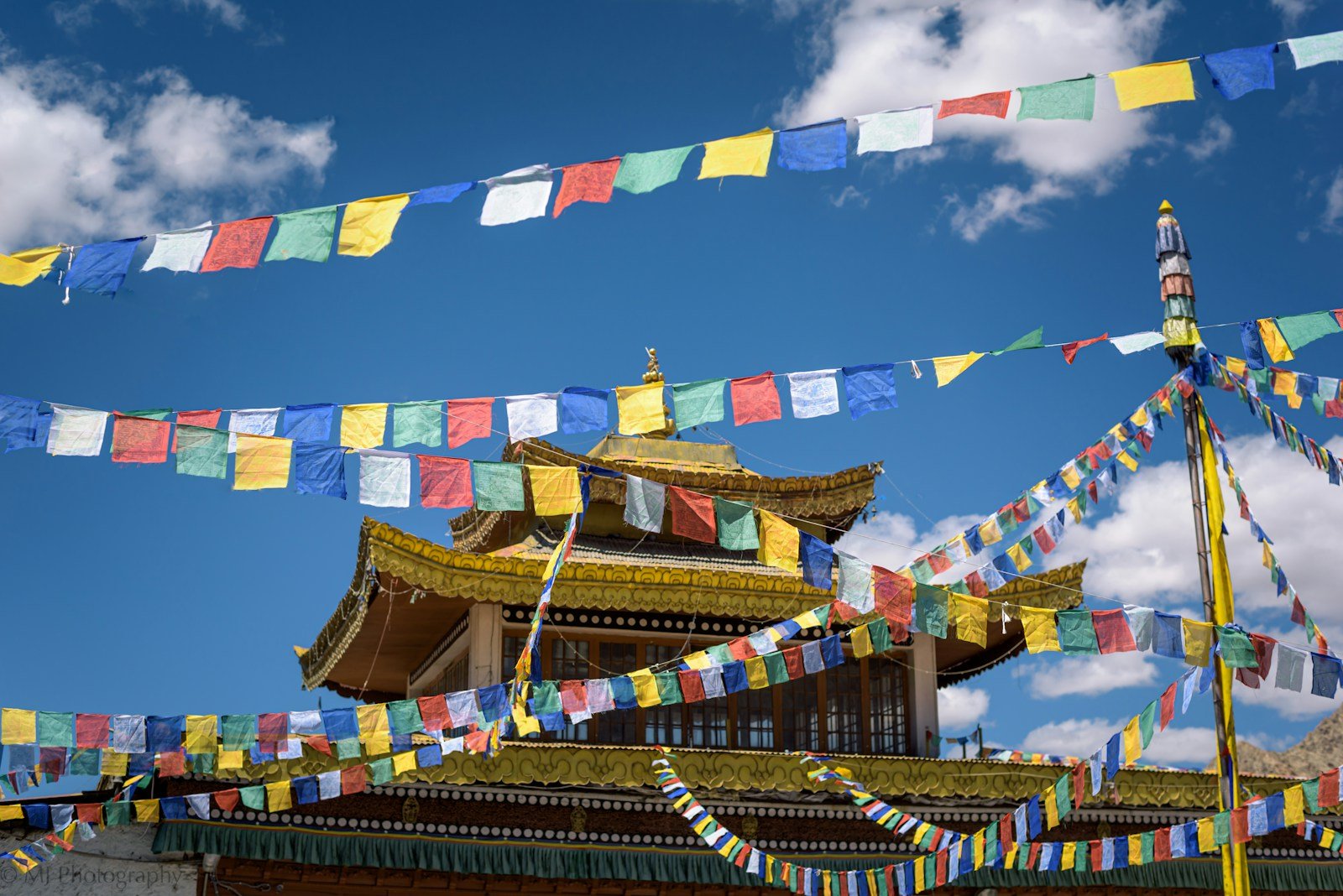
500-year-old monastery perched on a hill with the massive Maitreya Buddha statue (inaugurated by Dalai Lama in 2010). Best panoramic view of the entire valley.
Natural sulphur springs (great for a hot dip after a cold day). Also the last civilian village towards Siachen Glacier.
Opened to tourists only in 2010. A stunning Balti village that was part of Pakistan until 1971. Apricot trees, wooden houses, and incredibly warm people right on the LoC.
Traditional Ladakhi villages with homestays and ancient monasteries (Samstanling Gompa in Sumur is beautiful).
Shorter, more scenic (and open longer) route from Leh to Nubra — dramatic river gorges and war memorials.
Day 1: Leh → Khardung La → Diskit → Hundar (camels at sunset) Day 2: Hundar → Turtuk (full day exploring the border village) Day 3: Turtuk → Panamik → back to Leh
Nubra is where Ladakh’s extremes come together — icy mountains, burning sand, freezing nights, and the warmest smiles. One day is never enough; two nights is perfect, three nights is pure bliss.
Pro tip: Spend your second night in Turtuk instead of Hundar. Fewer tourists, better food, and waking up to 7,000 m peaks right outside your window is an experience you’ll never forget.

Copyright Kashmir Vibe | Design & SEO By SeoMP