





Bungus Valley: Kashmir’s Untouched Alpine Paradise
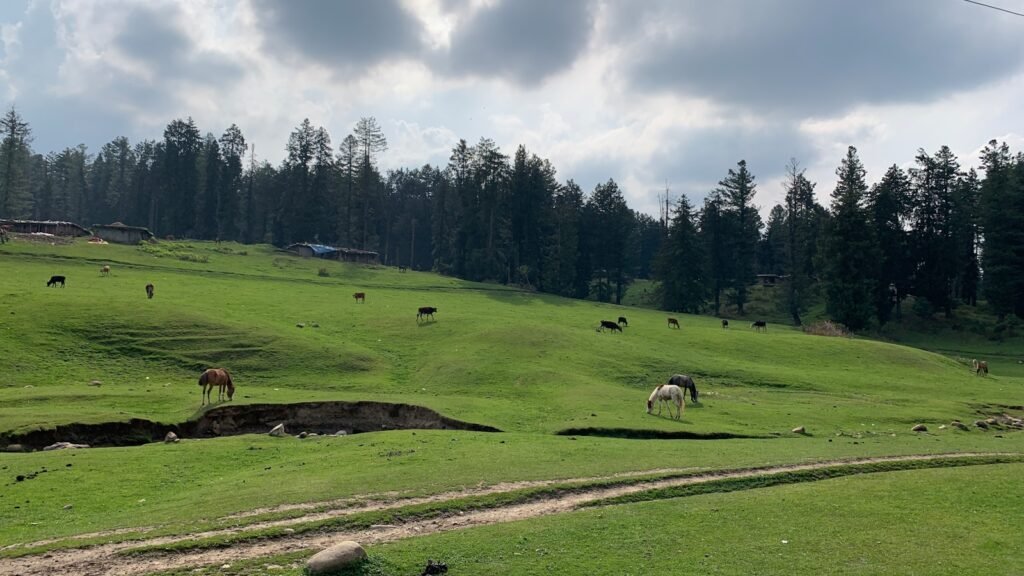
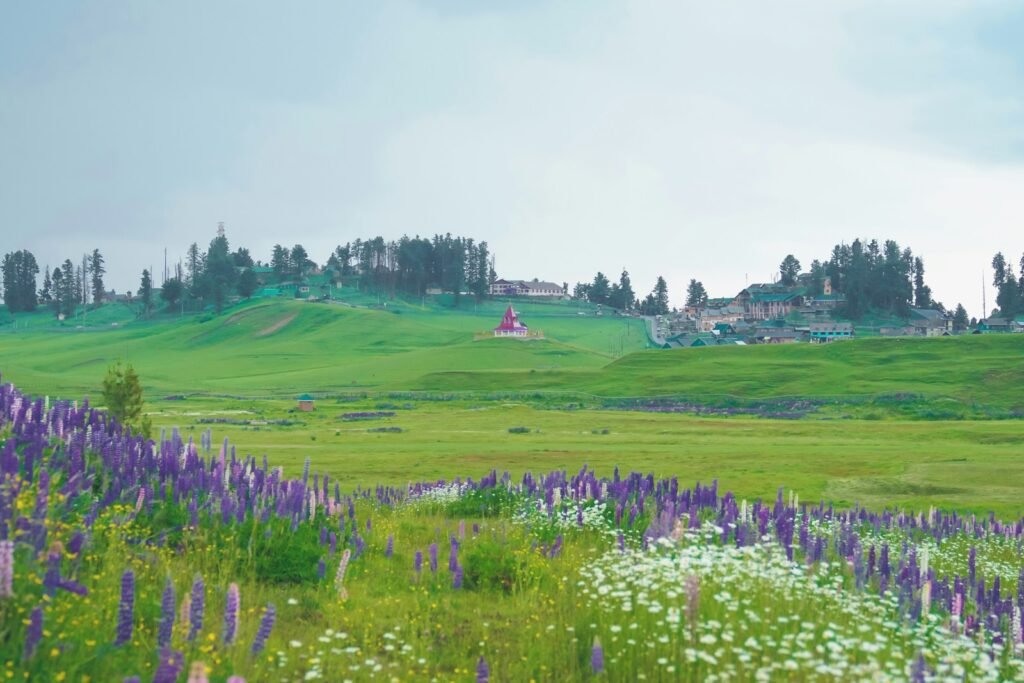
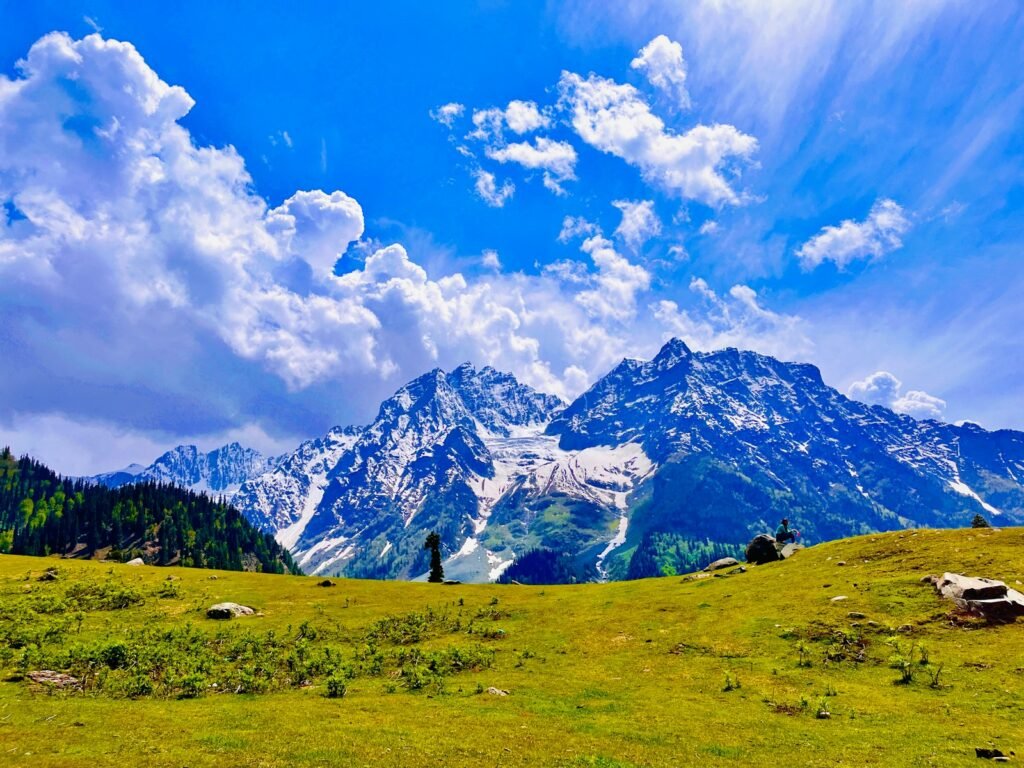
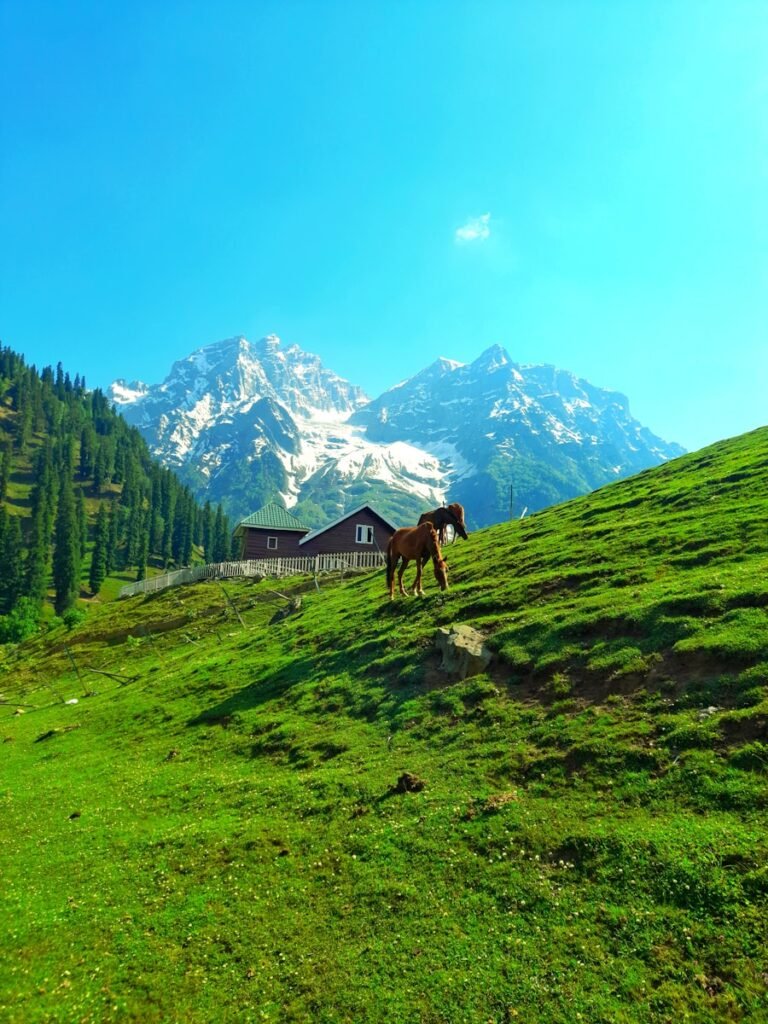
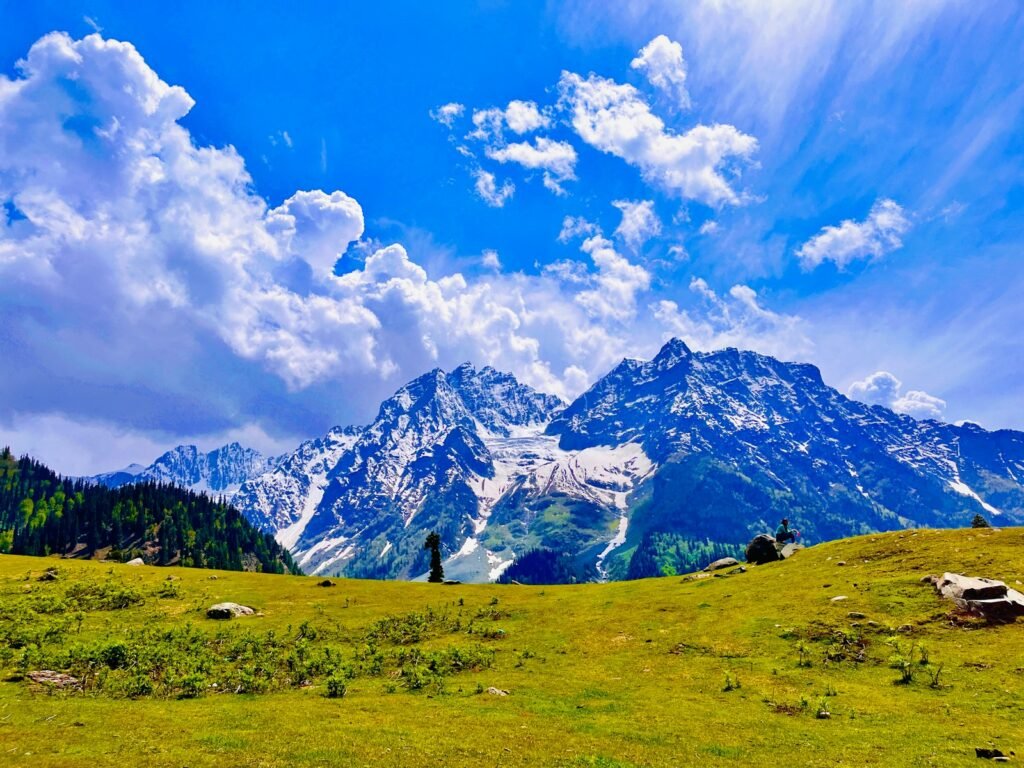
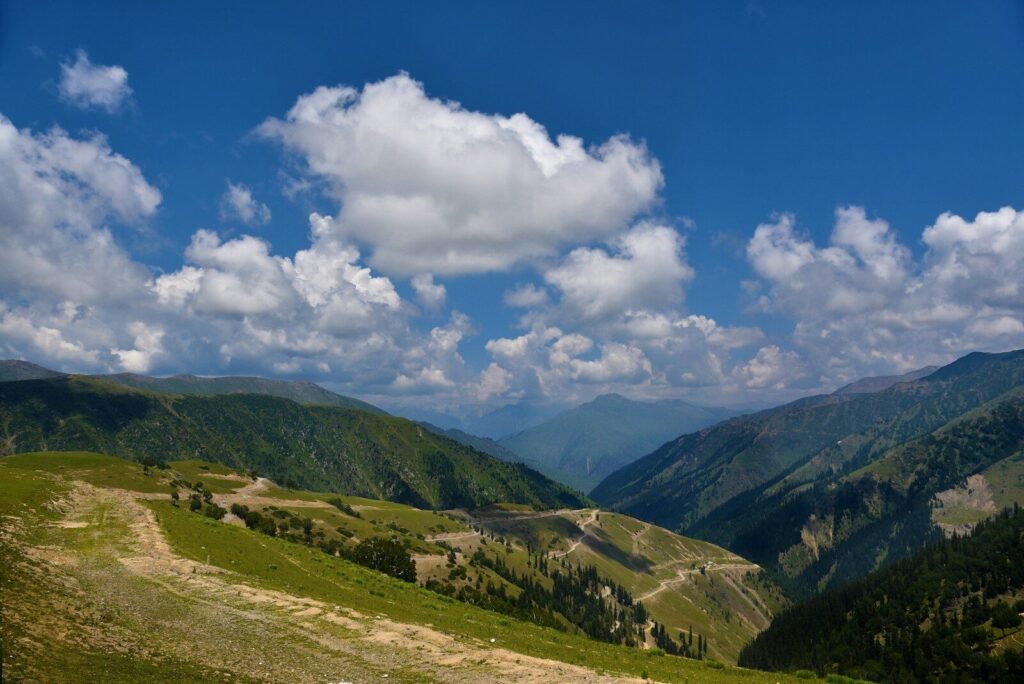
Hidden in the remote folds of north Kashmir’s Kupwara district, Bungus Valley (also spelled Bangus or Bungus) remains one of the last truly pristine high-altitude meadows in the Himalayas. At an average elevation of 10,000–11,000 feet, this vast grassland—divided into Bod Bungus (Big Bungus) and Lokut Bungus (Small Bungus)—stretches across roughly 300 square kilometers of rolling pastures, dense pine-deodar forests, crystal-clear streams, and dramatic views of the Pir Panjal and Qazinag mountain ranges.
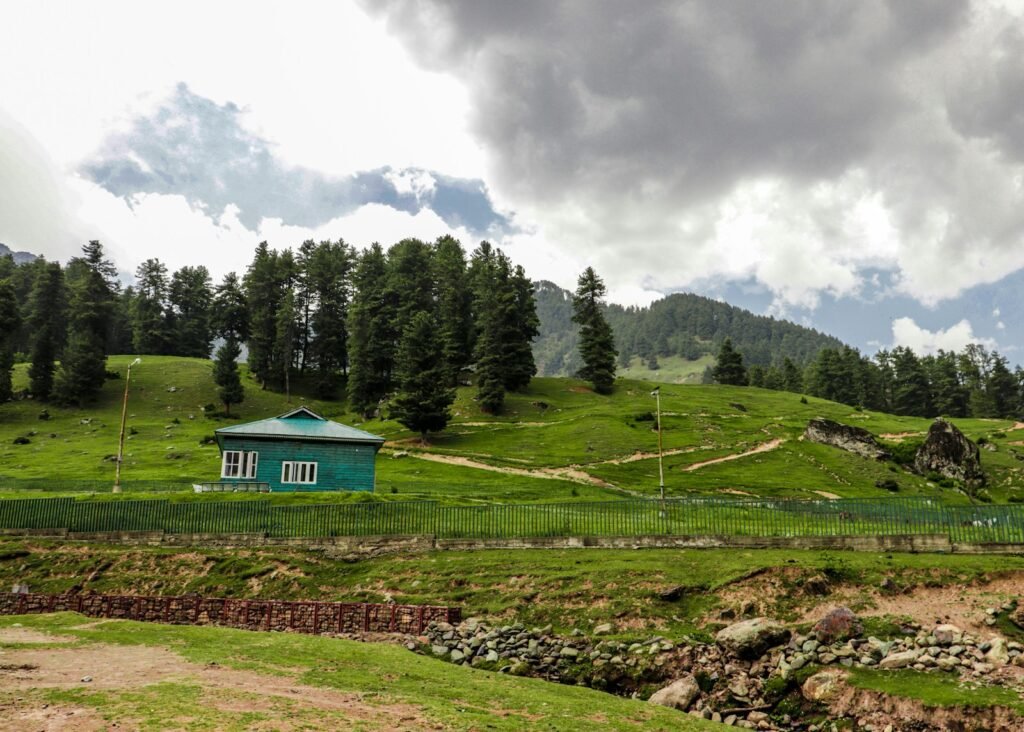
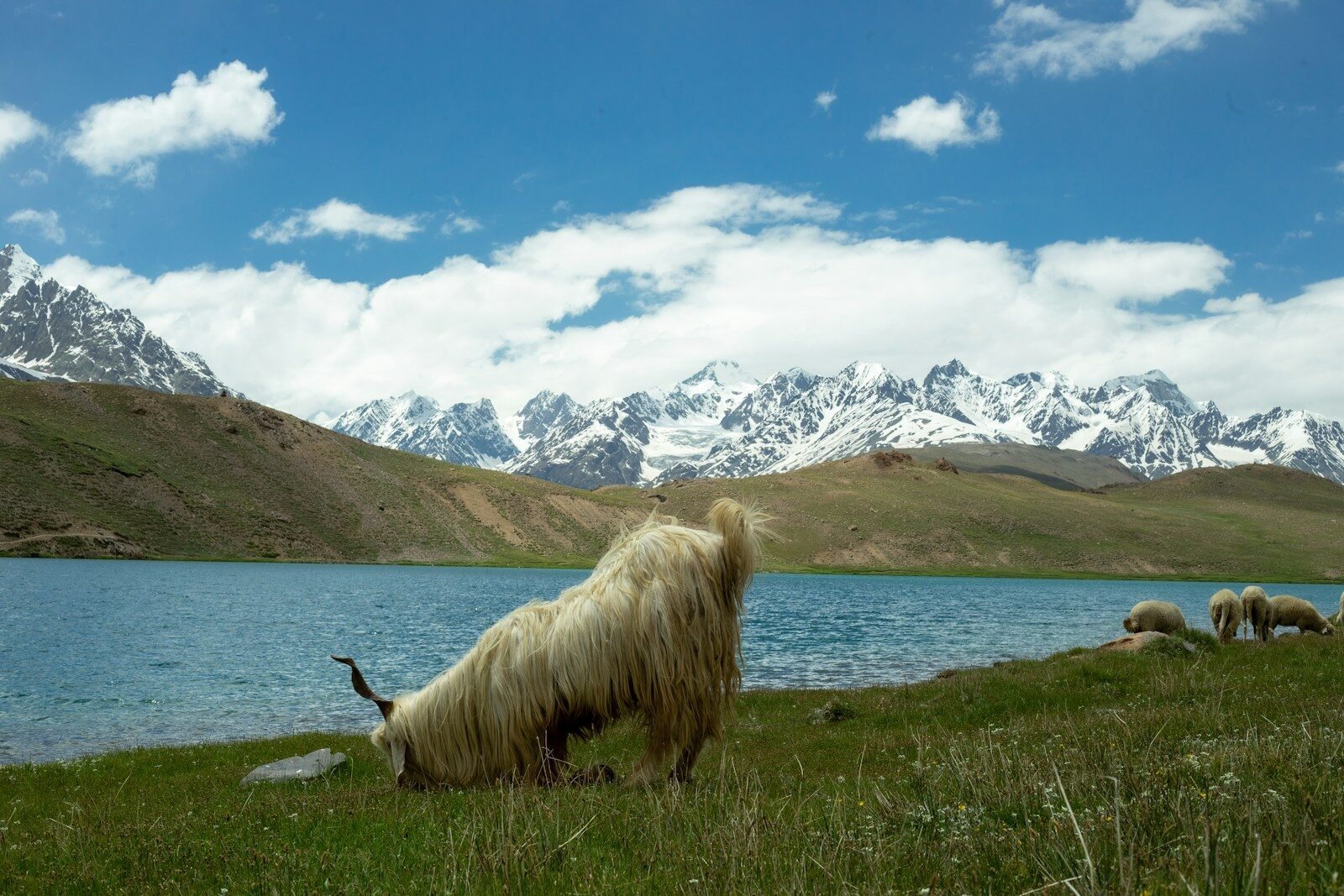
Unlike the well-trodden trails of Pahalgam, Gulmarg, or even Yusmarg, Bungus feels like Kashmir before mass tourism arrived: silent, raw, and profoundly peaceful. Shepherds from the Gujjar-Bakerwal communities still move their flocks here seasonally, wooden huts dot the landscape, and the only sounds are wind through pines, distant sheep bells, and the occasional call of Himalayan monal pheasants.
In 2026, with improved road access and growing awareness among adventure travelers, Bungus is finally getting the attention it deserves—yet it remains remarkably uncrowded, making it ideal for those seeking solitude, authentic rural immersion, and untouched Himalayan beauty.
Why Bungus Valley Feels Special in 2026
After several years of restricted access due to security and weather, the valley reopened more reliably in late 2025 and early 2026. The Tourism Department and local administration have worked on basic trail clearing and awareness campaigns, but without the heavy commercialization seen elsewhere. This balance gives Bungus a rare authenticity: you can still camp under star-filled skies without hearing generators, interact with shepherds who offer fresh milk and stories, and walk for hours without seeing another tourist group.
Best Time to Visit Bungus Valley
- May–June: Fresh green meadows, melting snow, blooming wildflowers (rhododendrons, marigolds), crisp air (daytime 15–22°C, nights 5–10°C). Best for first-timers and photography.
- July–August: Peak monsoon greenery, full streams, lush pastures. Rain possible but usually short-lived; avoid if you dislike wet trails.
- September–October: Golden autumn grasses, clear blue skies, fewer clouds. Ideal for golden-hour photography and comfortable trekking.
- November–April: Snow-covered wonderland (deep powder Dec–Feb). Winter trekking/camping possible with proper gear, but roads often close after heavy snowfall. Snow carnivals and winter camping gaining popularity.
Current update (Feb 2026): Roads to Reshwari/Nowgam trailhead cleared regularly; Bod Bungus accessible even in mid-winter with 4×4 vehicles.
How to Reach Bungus Valley
Distance from Srinagar: 100–130 km (4.5–6.5 hours drive depending on route and weather) Main Route (recommended): Srinagar → Sopore → Handwara → Kupwara → Chowkibal → Mawer → Reshwari / Nowgam → Bungus base
Alternative Route: Srinagar → Baramulla → Kupwara → Rajwar → Bungus (slightly longer but sometimes smoother)
Transport Options:
- Private cab (Innova Crysta / Xylo): ₹5,500–9,000 round trip (comfortable for 4–6 people)
- Shared sumo/taxi from Srinagar TRC or Batamaloo stand: ₹800–1,500 per person one way (limited departures, cold in winter)
- Self-drive: Possible on good roads; last 10–15 km can be rough/dusty. Carry spare fuel and tire chains in winter.
Permit Requirement: Inner Line Permit (ILP) mandatory due to proximity to Line of Control.
- Apply at District Magistrate Office, Kupwara (or through registered tour operator).
- Takes 1–2 days; need 2 passport photos + ID proof (Aadhaar/Passport).
- Most agencies handle this for you if you book a package.
Detailed 3-Day Bungus Valley Itinerary (Ideal for First-Timers)
Day 0: Arrival & Prep in Srinagar
- Reach Srinagar, collect ILP if not pre-arranged.
- Gear check: warm layers, waterproof jacket, sturdy trekking shoes, headlamp, power bank, snacks, first-aid.
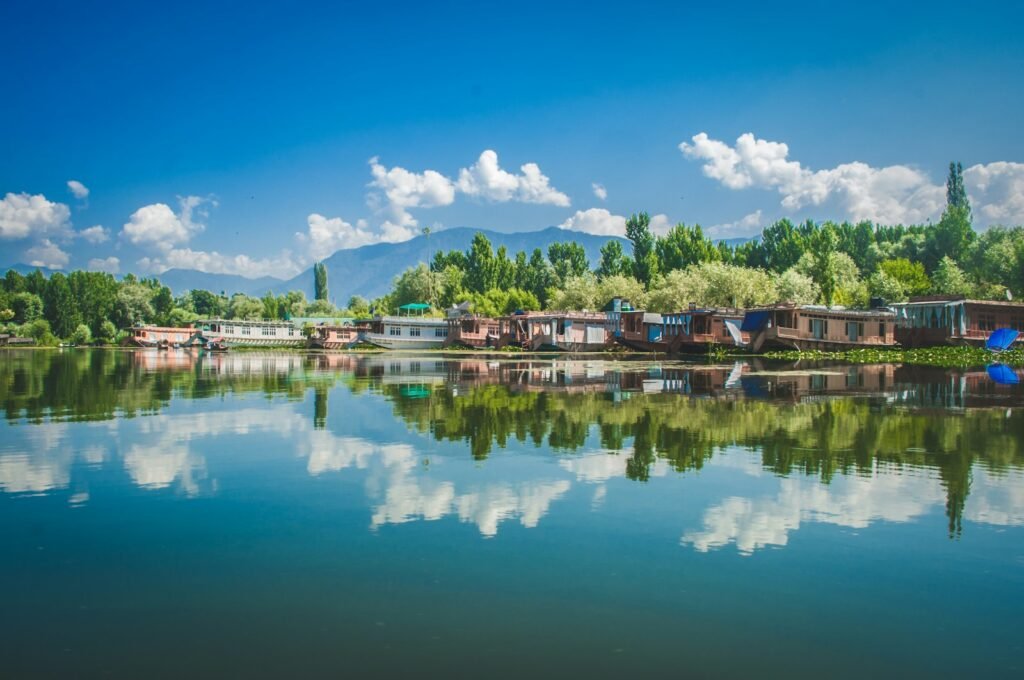
- Overnight: Srinagar houseboat or hotel.
Day 1: Srinagar → Bungus Base Camp + Meadow Acclimatization
- Depart early (6–7 AM) to avoid traffic in Sopore/Handwara.
- Drive to Reshwari / Nowgam trailhead (4.5–6 hrs).
- From road head: 2–4 km easy walk (30–60 min) through pine forest and small streams to main Bod Bungus meadow.
- Altitude gain: ~200–300 m (gentle).
- Set up camp near fresh-water stream with views of distant peaks.
- Afternoon: Short acclimatization walk across the grassland (2–3 km), meet shepherds, enjoy sunset painting the Pir Panjal range pink and gold.
- Evening: Bonfire, kahwa, shepherd stories.
- Overnight: Camping (own tent or local arrangement).
Day 2: Full Exploration – Ridge Walk & Lokut Bungus
- Sunrise over the meadows – one of Kashmir’s most cinematic moments.
- Morning Option A – Easy Meadow Circuit (4–6 km, 2–4 hrs): Walk across Bod Bungus → Lokut Bungus. Cross streams, visit shepherd huts, spot Himalayan griffon vultures or monal pheasants.
- Morning Option B – Moderate Ridge Climb (6–8 km round trip, 4–6 hrs): Gentle ascent to a nearby ridge (≈400–500 m gain) for 360° panoramic views of Qazinag range, Pir Panjal, and the entire valley. Trail passes pine thickets and open slopes.
- Afternoon: Relax at camp, optional pony ride (₹600–1,200), or short walk to a viewpoint overlooking the valley.
- Highlights: Wildflowers (Jun–Aug), crystal-clear streams, total silence except wind and birds.
- Overnight: Same camp.
Day 3: Return to Srinagar (or Extend)
- Morning: Leisure breakfast with mountain views, pack up.
- Walk back to road head (30–60 min).
- Drive back to Srinagar (5–6 hrs).
- Optional stops: Handwara for walnuts/apples or Kupwara for local lunch.
- Reach Srinagar by evening.
Extended 4–5 Day Option: Add side trek to Kalangam Valley or deeper Qazinag trails (requires extra guide/permit). Combine with Lolab Valley or Watlab for a full north Kashmir circuit.
What to Expect on the Trail
- Terrain: Mostly flat-to-gently-undulating meadows; forest sections with roots/rocks; easy stream crossings (summer). No high passes or technical sections.
- Difficulty: Suitable for beginners with moderate fitness. Children and older travelers can manage with ponies.
- Camping: Basic tent camping (carry your own or hire local). No permanent toilets/shops—pack out all waste.
- Food: Carry dry snacks, instant meals; shepherds may offer milk, roti, tea. No restaurants.
- Weather: Summer days 15–25°C, nights 5–10°C. Sudden rain common—carry rain gear. Winter: heavy snow, sub-zero nights.
- Safety: Low altitude sickness risk. Carry first-aid, torch, power bank. Inform local police/tour operator of plans. Roaming animals (sheep dogs, rare bears in forests).
Approximate Cost (2026, per person for group of 4)
- Private cab round trip: ₹1,500–2,500
- Guide + pony/ATV (optional): ₹800–1,500/day
- Camping gear/food/permit: ₹1,000–2,000
- Total for 2–3 days: ₹4,000–8,000 (budget to mid-range)
Bungus Valley isn’t about conquering mountains—it’s about immersion in untouched Himalayan silence, shepherd hospitality, and the kind of peace that modern life rarely offers. In 2026, with better roads but still very low footfall, it remains one of Kashmir’s most authentic offbeat gems.
Planning your Bungus adventure? Kashmirvibe.com can arrange reliable transport, local guides, ILP assistance, and camping support. Drop a message for latest road status and personalized plans. See you in the meadows!