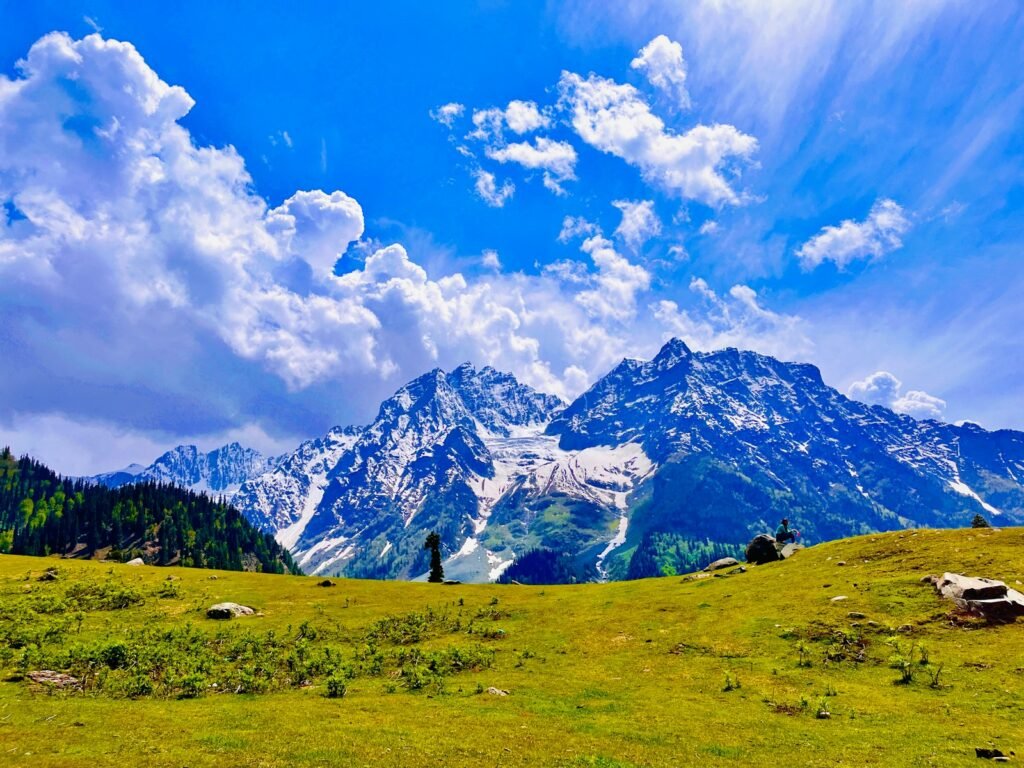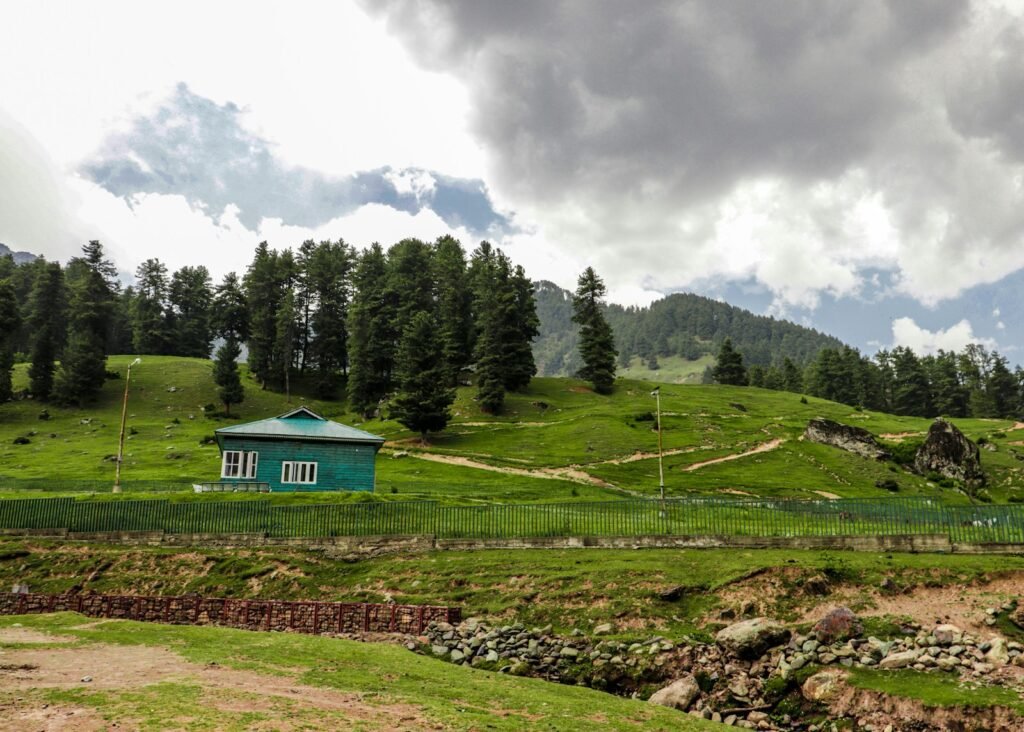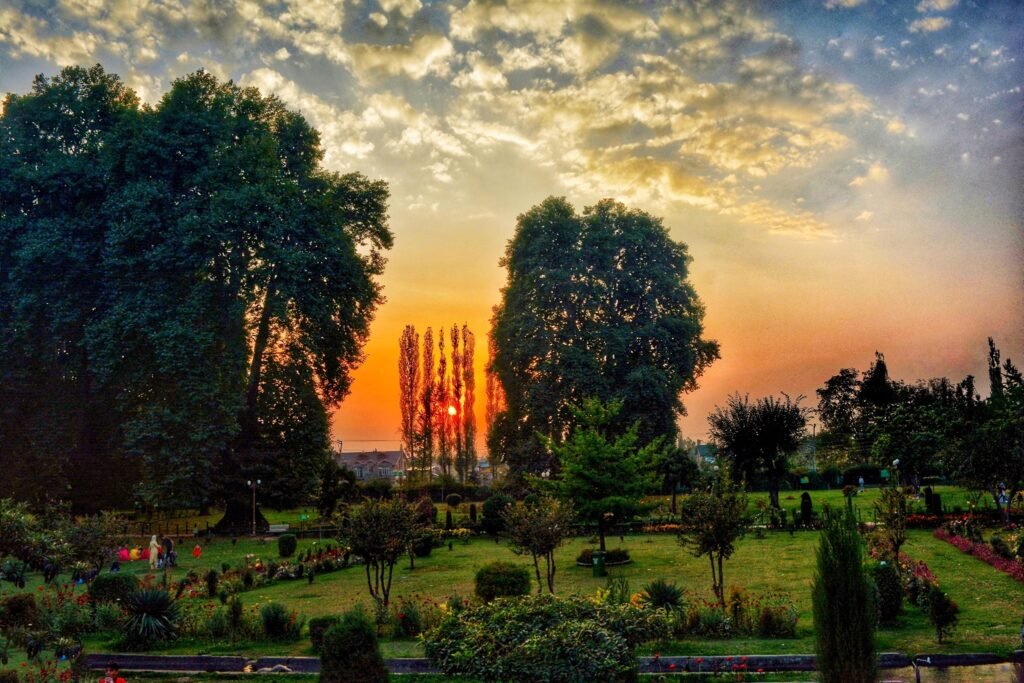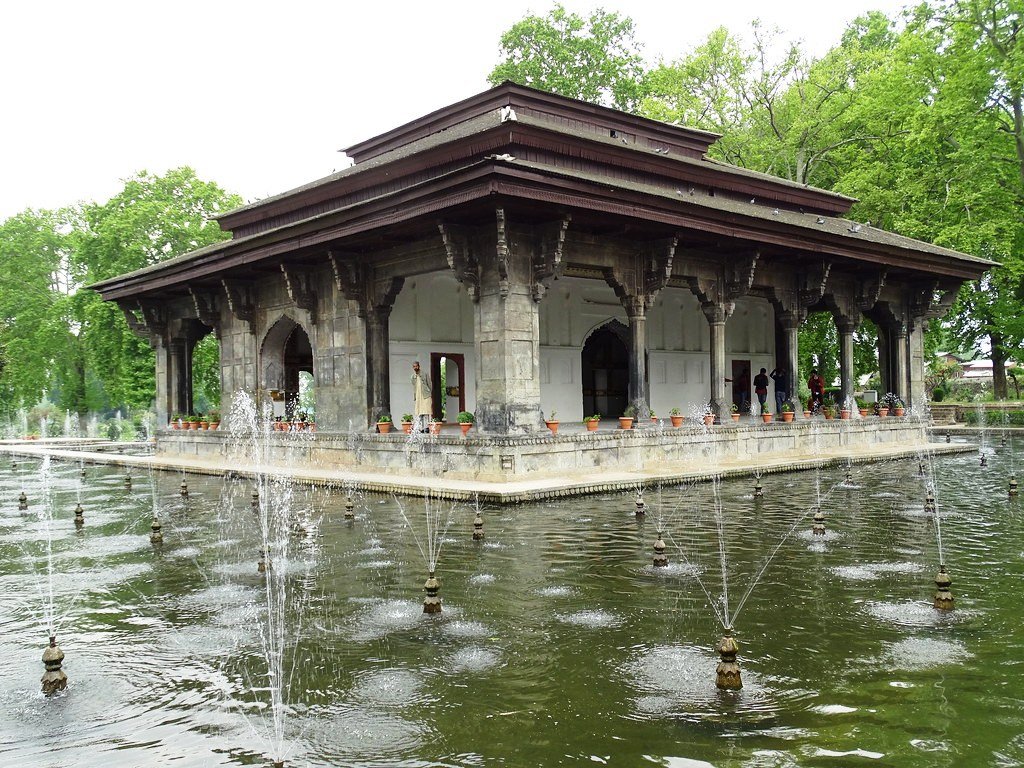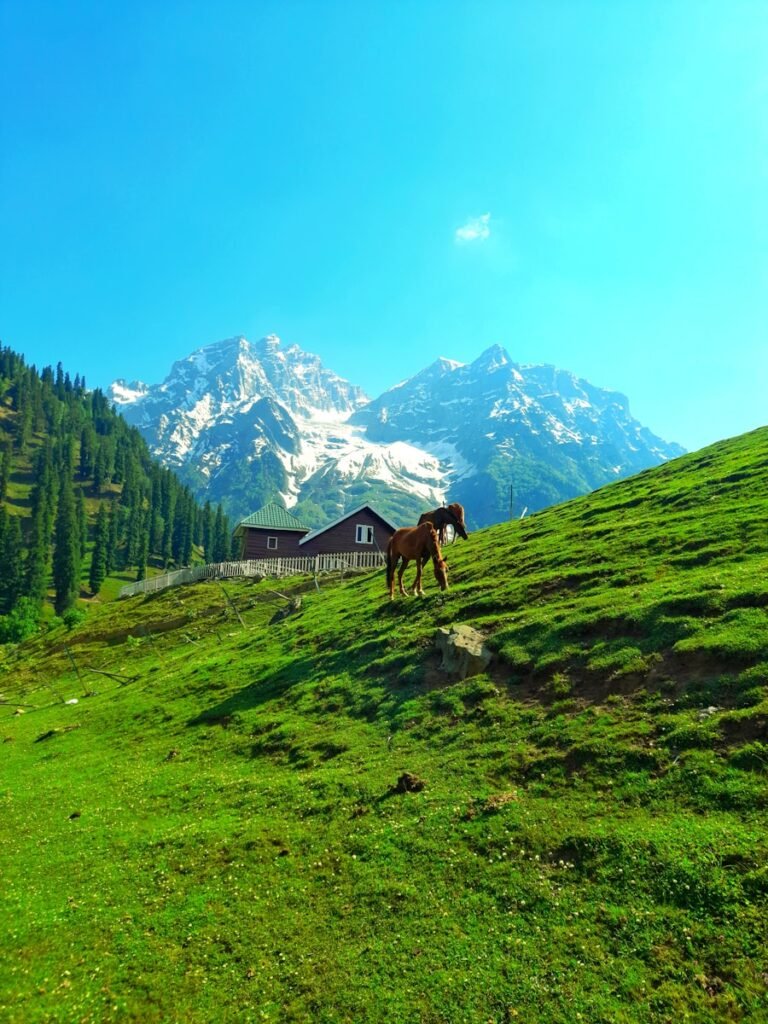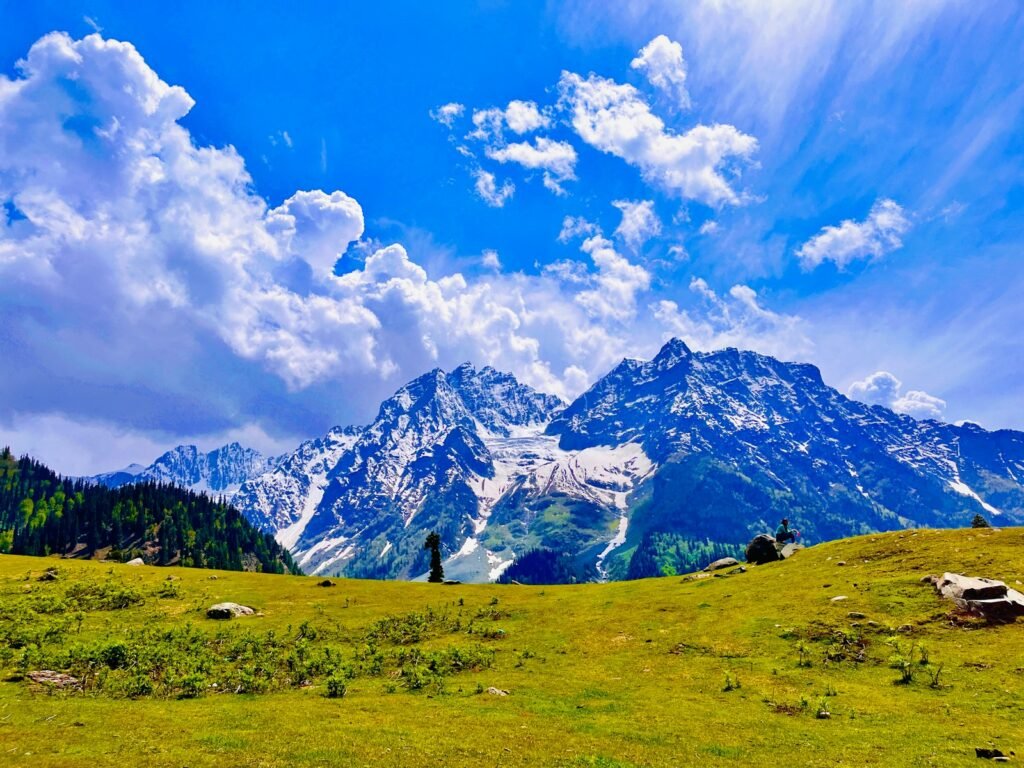






There’s something about Kashmir in winter that turns even the most skeptical traveler into a poet. When the first heavy snowfall of Chillai Kalan blankets the Valley, the usual sounds—honking sumos, tourist chatter, shawl sellers calling out—fade away. What remains is stillness, the soft crunch of fresh snow underfoot, the faint smell of burning pine cones from village hearths, and a landscape so beautiful it almost hurts to look at.
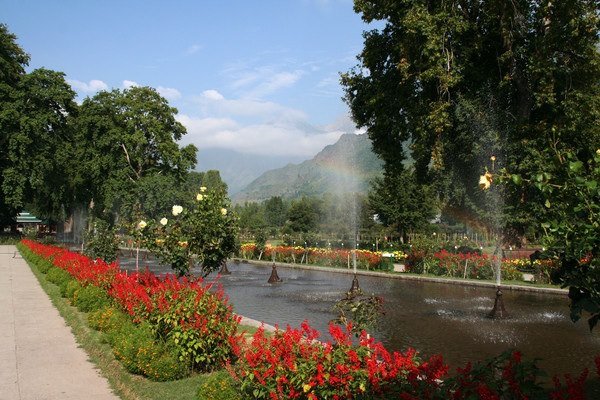
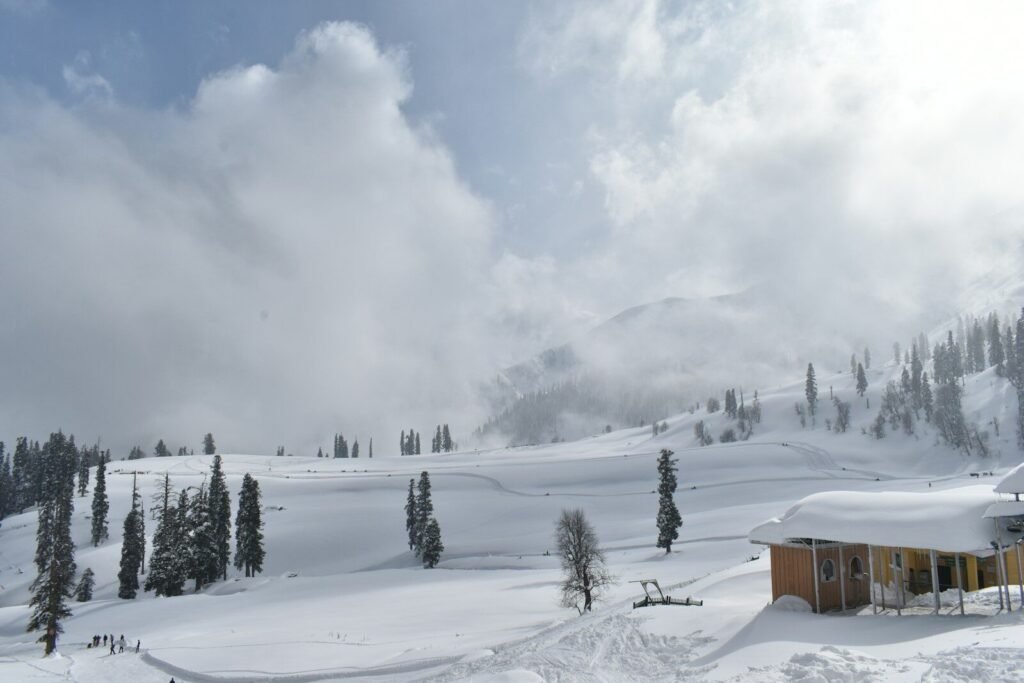
In early 2026, after two unusually dry winters, Kashmir finally received consistent snowfall across most districts. Gulmarg turned into a deep-powder paradise again, Pahalgam’s Lidder River froze into glass, Sonamarg’s meadows disappeared under meters of white, and even Srinagar’s Mughal gardens looked like they had been dusted with icing sugar. For locals and returning visitors alike, this felt like the Valley reclaiming its classic winter postcard identity.
The Quiet Beauty of a Snow-Draped Srinagar
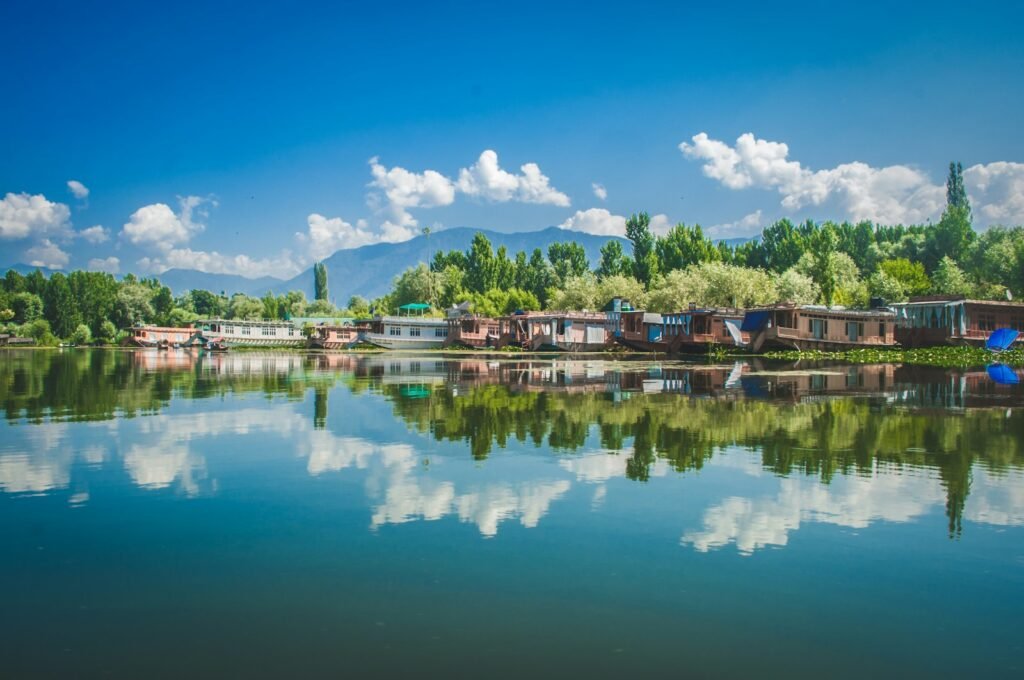
Most people picture Srinagar in summer—houseboats rocking gently on Dal Lake, chinar trees blazing red and gold. But winter Srinagar has its own personality: slower, softer, more intimate.
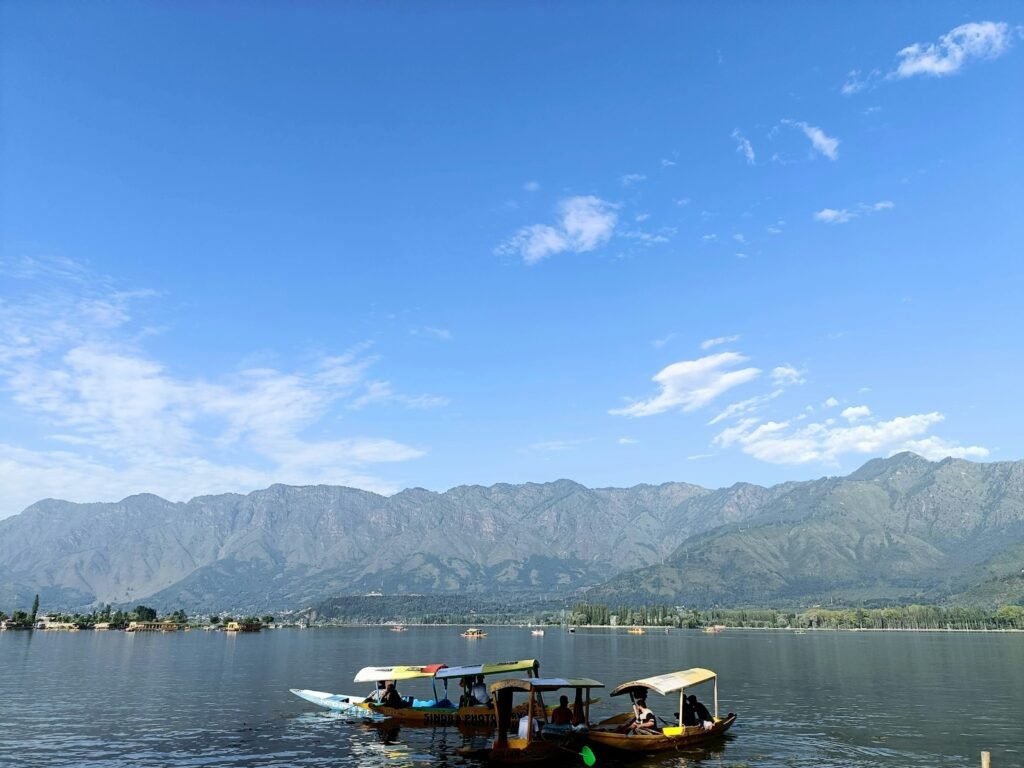
Walk along the banks of Nigeen Lake at dawn and you’ll see shikara owners brushing snow off their boats while herons stand motionless on thin ice. The floating vegetable market still operates, but now vendors arrive wrapped in pherans, their breath visible in the freezing air. Hazratbal Shrine looks ethereal when its white marble dome catches the pale winter sun. And if you’re lucky enough to be there during a fresh dump, the old city lanes of downtown Srinagar become a maze of white tunnels between wooden houses.
Pro tip 2026: Book a private shikara ride on Nigeen (far less crowded than Dal) around 7–8 a.m. The light is magical, the crowds are nonexistent, and the boatman will usually light a small kangri for you to warm your hands.
Gulmarg After the Crowds Leave
Gulmarg in peak winter (January–February) is still busy on weekends, but mid-week it becomes surprisingly tranquil. The gondola’s Phase 1 and Phase 2 both run reliably now (after years of upgrades), carrying skiers and sightseers to Apharwat and beyond. But the real joy isn’t the slopes—it’s the silence you find when you walk 10–15 minutes away from the main gondola station.
Head toward the frozen Alpather Lake or the tree-line meadows near Khilanmarg. The snow here is often knee-deep, untouched except for the occasional fox track. On clear days you can see all the way to Nanga Parbat floating above the horizon like a mirage. At night, when the chairlift stops and most tourists retreat to hotels, the meadow turns into a private planetarium—stars so sharp they look close enough to touch.
2026 update: New snow-clearing machines and improved avalanche control have made mid-week visits much safer and more predictable. Several boutique stays now offer heated glass igloos and in-room hamams—luxury that didn’t exist five years ago.
Pahalgam & Lidderwat – Winter’s Best-Kept Secret
While Pahalgam is known as a summer base for Amarnath yatris and Betaab Valley selfies, winter transforms it into one of Kashmir’s most peaceful corners. The Lidder River slows to a glassy crawl, frozen edges glittering like broken mirrors. Baisaran meadow (the “Mini Switzerland” viewpoint) becomes a vast white bowl perfect for snow walks or just sitting in total silence.
If you’re feeling adventurous, hire ponies or snowmobiles to Lidderwat (about 11 km upstream). In winter the trail is usually empty except for a few shepherds moving their flocks down to lower pastures. The wooden bridge at Lidderwat covered in snow is one of the most photogenic spots in the entire Valley.
Best winter activity: Sunset at Baisaran. The light turns pink and gold on the surrounding peaks while the meadow glows. Bring a thermos of kahwa and just sit. Few experiences in Kashmir feel more meditative.
Practical Winter Travel Tips for 2026
- Road status: Srinagar–Gulmarg, Srinagar–Pahalgam, and Srinagar–Sonamarg highways are usually cleared within 24–48 hours of heavy snow. Doodhpathri and Yusmarg can take longer but were reliably open by mid-February 2026.
- Clothing: Layer aggressively: thermal inner, fleece, heavy puffer, waterproof gloves & boots, balaclava or neck gaiter. Kashmiri pheran rentals are widely available in Srinagar and Gulmarg.
- Accommodation: Book early for heated rooms. Many heritage houseboats now offer winter discounts with wood-burning stoves and extra blankets.
- Transport: Private heated Innova Crysta or Xylo is the most comfortable option. Shared sumos still run but can be very cold.
- Food: Carry snacks. Many roadside dhabas close in deep winter, but hotel kitchens serve excellent wazwan, roti-boti, and hot soups.
Why Winter 2026 Feels Special
After several erratic winters, the consistent snowfall of January–February 2026 reminded everyone why Kashmir’s winter landscape is world-famous. Fewer international tourists (still recovering from earlier travel advisories), more domestic families discovering snow vacations, and a genuine sense of renewal after challenging years have created a different energy: quieter, warmer in spirit, more connected.
If you’ve only seen Kashmir in postcards of summer chinar and tulips, you haven’t truly met her. Winter strips away the noise and reveals the Valley’s soul—raw, serene, and achingly beautiful.
So this year, consider trading the crowds of April–October for the hush of January–February. Pack your warmest layers, book a cozy stay, and come experience Kashmir when she wears her quietest, most breathtaking dress.
Ready to plan your winter escape? Drop us a message—we’ll help you craft an itinerary that captures the real magic of Kashmir in the snow.