





Kashmir has long been celebrated as “Paradise on Earth,” but the iconic images of Dal Lake shikaras, Gulmarg gondolas, and Pahalgam pony rides only scratch the surface. In 2026, as tourism rebounds stronger than ever, more travelers are seeking quieter, more authentic experiences—places where silence speaks louder than selfies, and nature remains largely untouched by commercial footprints.
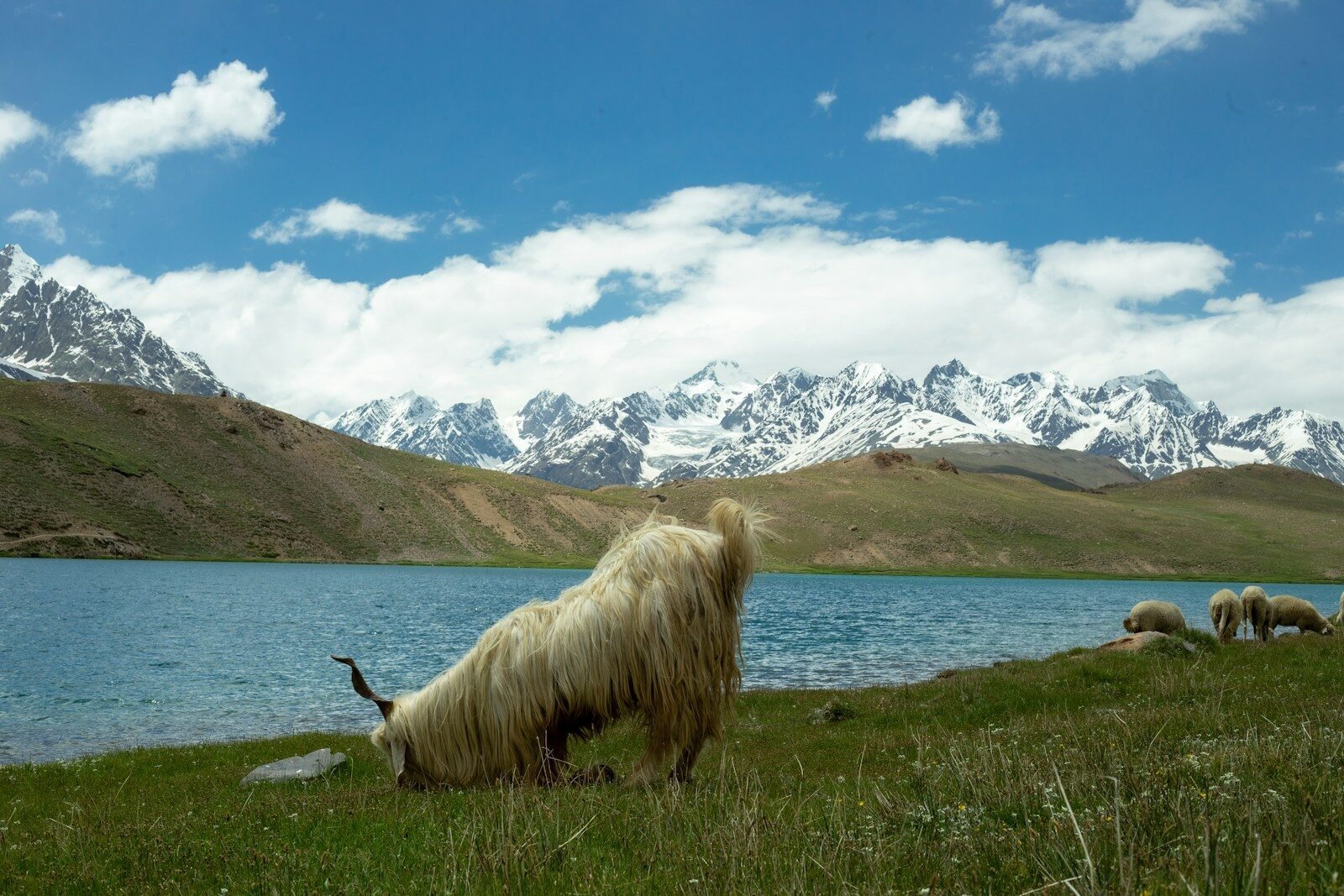
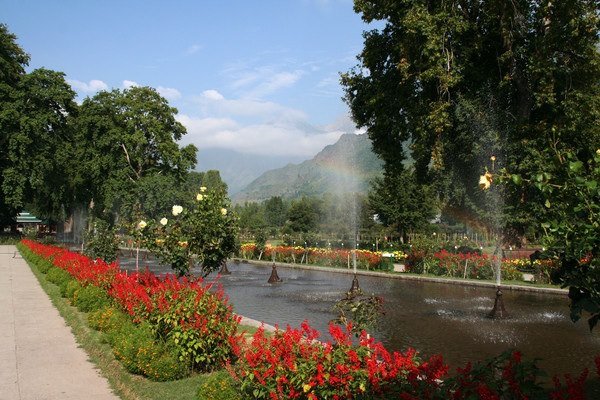
While Srinagar, Pahalgam, and Sonamarg draw the majority of visitors, Kashmir’s true magic often lies in its lesser-known alpine meadows, remote valleys, and high-altitude pastures. These offbeat spots offer pristine landscapes, genuine interactions with Gujjar and Bakerwal shepherd communities, and a profound sense of peace that the busier destinations sometimes lack.
In this guide, we explore four of Kashmir’s most enchanting hidden meadows and valleys—Yusmarg, Doodhpathri, Gurez Valley, and the quieter corners of Pahalgam—with practical tips, best times to visit, and why they deserve a place on your 2026 travel list.
1. Yusmarg – The Quiet Meadow Just an Hour from Srinagar
Nestled 47 km southwest of Srinagar in the Pir Panjal range, Yusmarg (also spelled Yousmarg) translates to “Meadow of Jesus” in local lore—legend claims Jesus Christ spent time here during his “lost years.” Whether myth or not, the serenity feels almost divine.
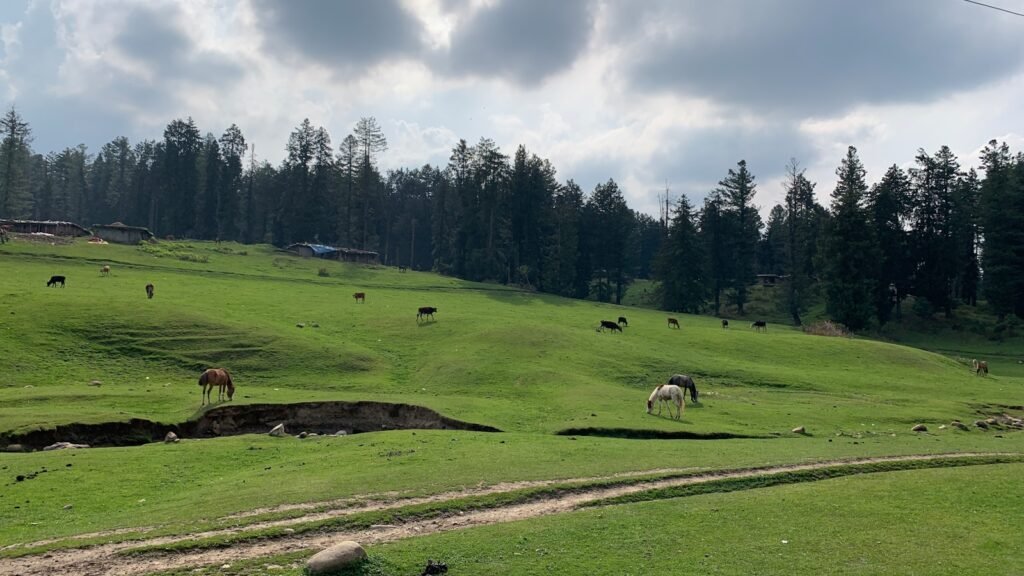
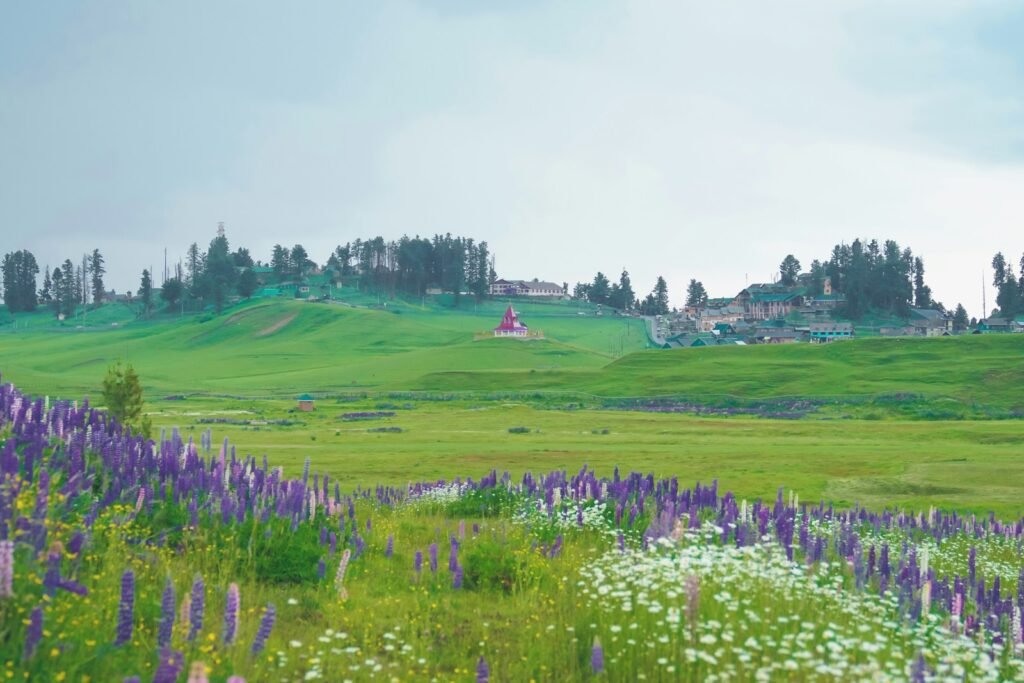
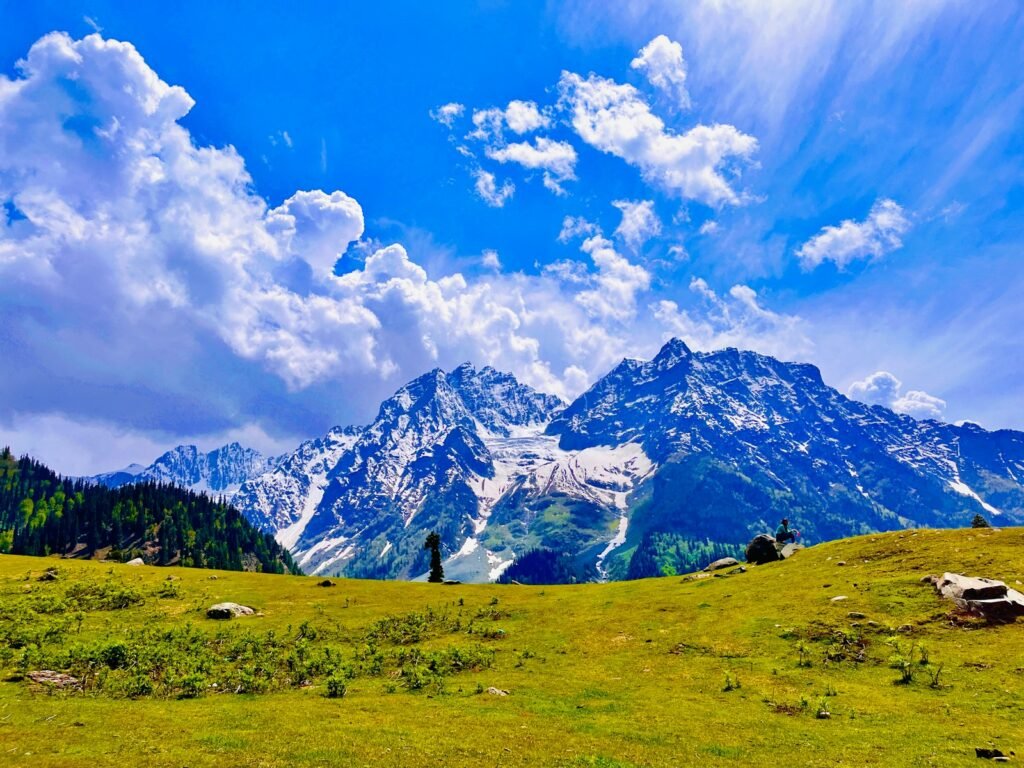
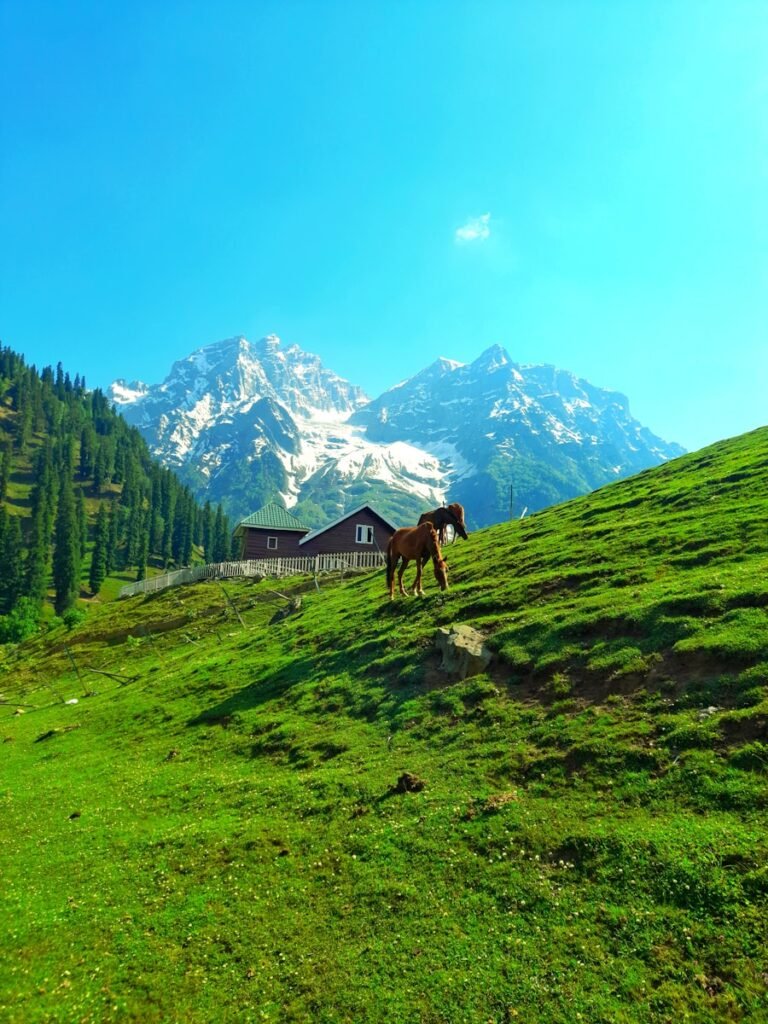
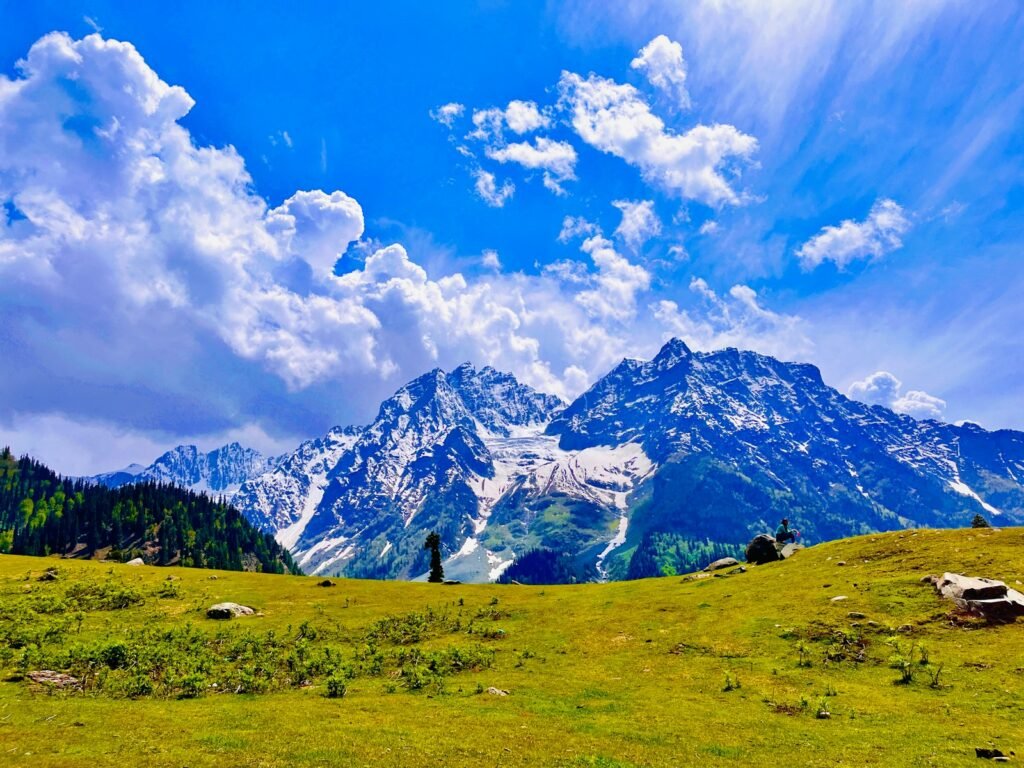
Yusmarg is a vast, gently rolling grassland framed by dense pine and fir forests, with the twin Nilnag Lakes sparkling in the distance and jagged snow peaks forming a dramatic backdrop. Unlike Gulmarg’s ski-resort crowds, Yusmarg remains remarkably peaceful even in peak summer.
Best Time to Visit (2026): May–October. Late spring brings wildflowers carpeting the meadows; summer offers perfect weather for picnics and pony rides; early autumn turns the grasses golden.
What to Do:
- Take a leisurely pony ride (₹400–800) or walk to Nilnag Lakes (2–3 hours round trip).
- Enjoy a picnic beside the Doodhganga stream.
- Visit nearby Doodhpathri (another 30–40 minutes by road) for a full-day meadow combo.
- In winter (Dec–Feb), the area becomes a snowy wonderland—perfect for snowshoeing or simply soaking in the silence.
How to Reach: Private cab or shared taxi from Srinagar (1.5–2 hours, ₹2,000–3,500 round trip). No public buses run directly, so pre-arranged transport is best.
Pro Tip: Pack a light jacket—even summer evenings get chilly at 2,700 m elevation. Avoid weekends if you want maximum solitude.
2. Doodhpathri – The Valley of Milk Reopened & Rejuvenated
Doodhpathri, 42 km from Srinagar in Budgam district, earned its poetic name from the milky-white streams that flow through its pastures—locals believe the water resembles milk. After remaining closed for nearly 10 months following security events in 2025, Doodhpathri triumphantly reopened in mid-February 2026, and the Tourism Department even hosted a vibrant Snow Carnival in February to celebrate winter tourism.
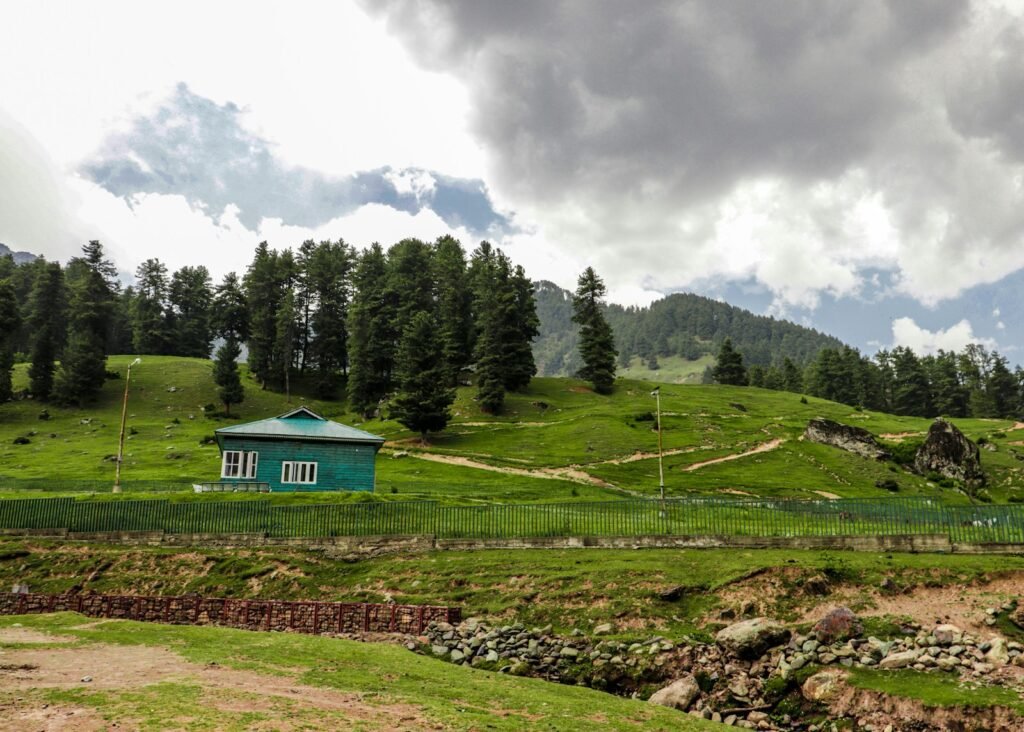
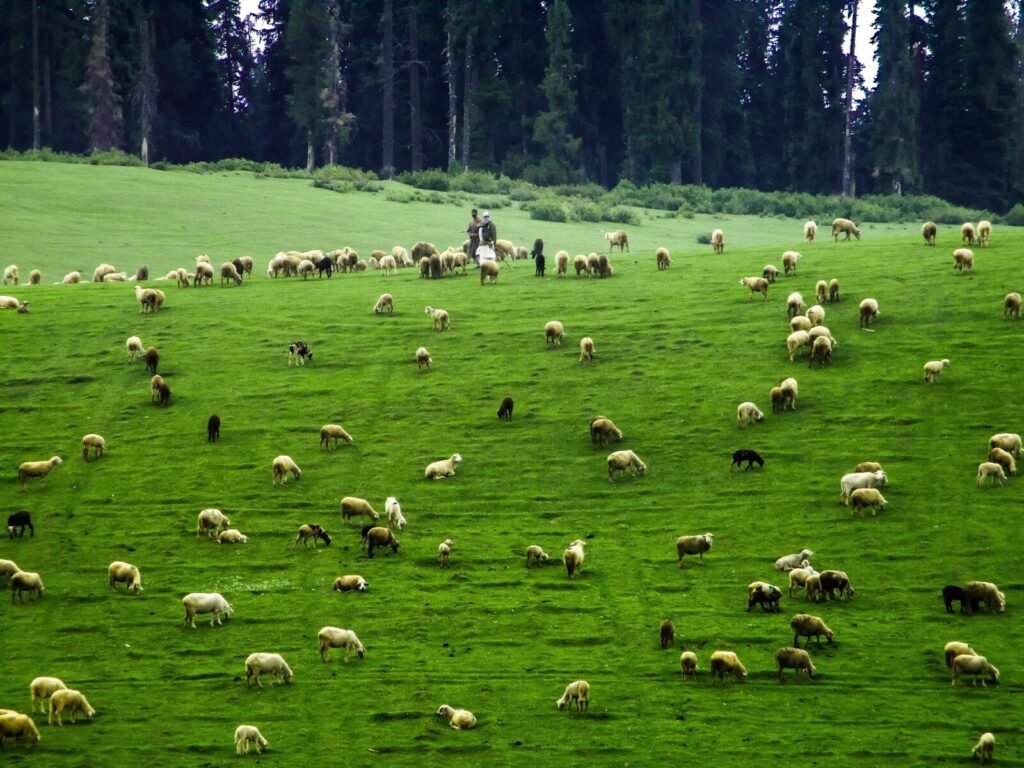
The meadow itself is enormous—rolling grasslands stretch toward the Pir Panjal range, dotted with shepherd huts, grazing sheep, and the gentle Shaliganga River. Pony rides and ATV adventures let you explore deeper corners, while the surrounding pine forests add a rich fragrance to the crisp mountain air.
Best Time to Visit (2026): May–October for lush green beauty and wildflowers; December–February for snow-covered magic (now that access is restored).
What to Do:
- Ride ponies or ATVs across the vast meadow (₹500–1,200).
- Walk along the Shaliganga River or trek to nearby viewpoints.
- Interact with Gujjar-Bakerwal families and learn about their seasonal migration.
- Capture sunrise over the peaks—photographers call it one of Kashmir’s most cinematic spots.
How to Reach: Srinagar → Budgam → Khansahib → Doodhpathri (1.5–2 hours by cab). Road conditions improved significantly post-reopening.
Pro Tip: Carry snacks and water—facilities remain basic. Combine with Yusmarg for a perfect offbeat meadow day trip from Srinagar.
3. Gurez Valley – Kashmir’s Last Untouched Frontier
Tucked in the far north near the Line of Control, Gurez Valley (90–100 km from Bandipora) feels like stepping into another era. Wooden log houses with slanted roofs, the turquoise Kishanganga River carving through the valley, and the majestic Habba Khatoon Peak (the “Sleeping Lady”) create a scene of raw, untouched Himalayan beauty.
Gurez is home to the Dard-Shina tribe, whose unique culture, language, and traditions remain remarkably preserved. It’s one of the few places in Kashmir where mass tourism hasn’t yet arrived—perfect for travelers seeking solitude and authenticity.
Best Time to Visit (2026): May–October (roads open; lush greenery and clear views). Winter access is limited due to heavy snow.
What to Do:
- Explore Dawar (main village) and Kishanganga River banks.
- Trek to Habba Khatoon base or the nearby Tulail Valley.
- Visit the wooden mosque and interact with local families.
- Photograph the dramatic landscapes—especially at sunrise when the peak glows pink.
How to Reach: Srinagar → Bandipora → Dawar (4–5 hours). Permits may be required due to proximity to the LoC—arrange through a registered agency.
Pro Tip: Stay in a local homestay for authentic Kashmiri meals and stories. Pack warm layers—even summer nights are cold.
4. Pahalgam’s Quieter Corners – Beyond Betaab Valley
While Pahalgam is no longer “hidden,” its upper reaches and side valleys remain blissfully uncrowded. Venture beyond the main town to Aru, Lidderwat, Baisaran (“Mini Switzerland”), and Kolahoi Glacier trailheads for serene meadows and pine-scented air.
Best Time to Visit (2026): April–October for green valleys and wildflowers; winter for snow-dusted trails.
What to Do:
- Hike to Baisaran meadow (pony ride or trek).
- Explore Lidder River trails and hidden shepherd camps.
- Visit quieter spots like Mamleshwar Temple and off-path viewpoints.
Pro Tip: Avoid peak weekends; early mornings offer the most tranquility.
Why Choose Offbeat Kashmir in 2026?
- Fewer crowds — More space to breathe and connect with nature.
- Authentic experiences — Meet shepherds, taste home-cooked wazwan, learn local folklore.
- Better value — Homestays and local guides often cost less than big resorts.
- Sustainability — Your visit supports rural families directly.
Kashmir’s hidden meadows and valleys remind us why the region has enchanted poets, travelers, and dreamers for centuries. In 2026, as roads reopen and winter tourism gains momentum, these offbeat spots offer a rare chance to experience the real Kashmir—quiet, pristine, and profoundly beautiful.
Ready to plan your offbeat escape? Drop us a message—we’ll craft a personalized itinerary that takes you beyond the usual trails.