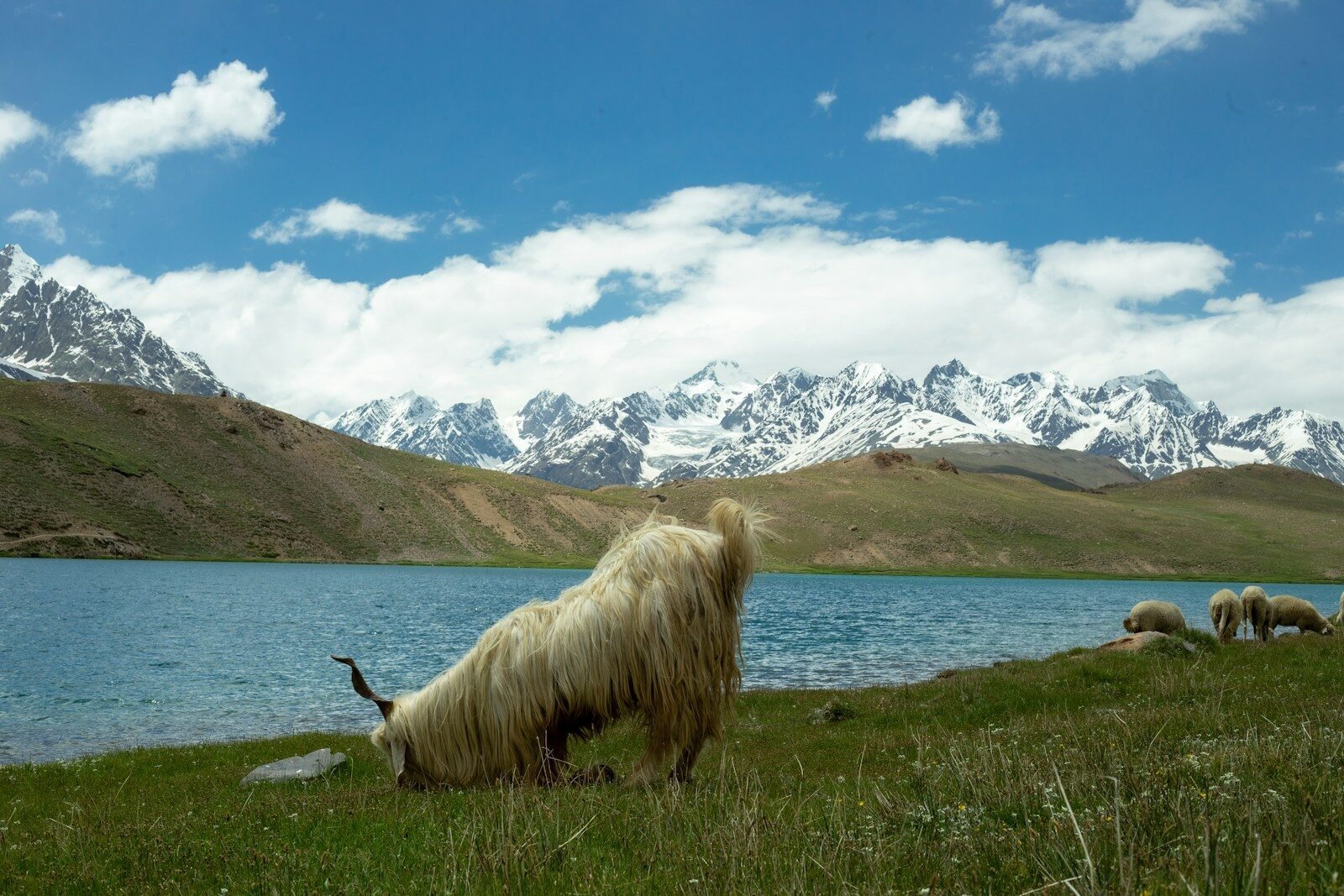


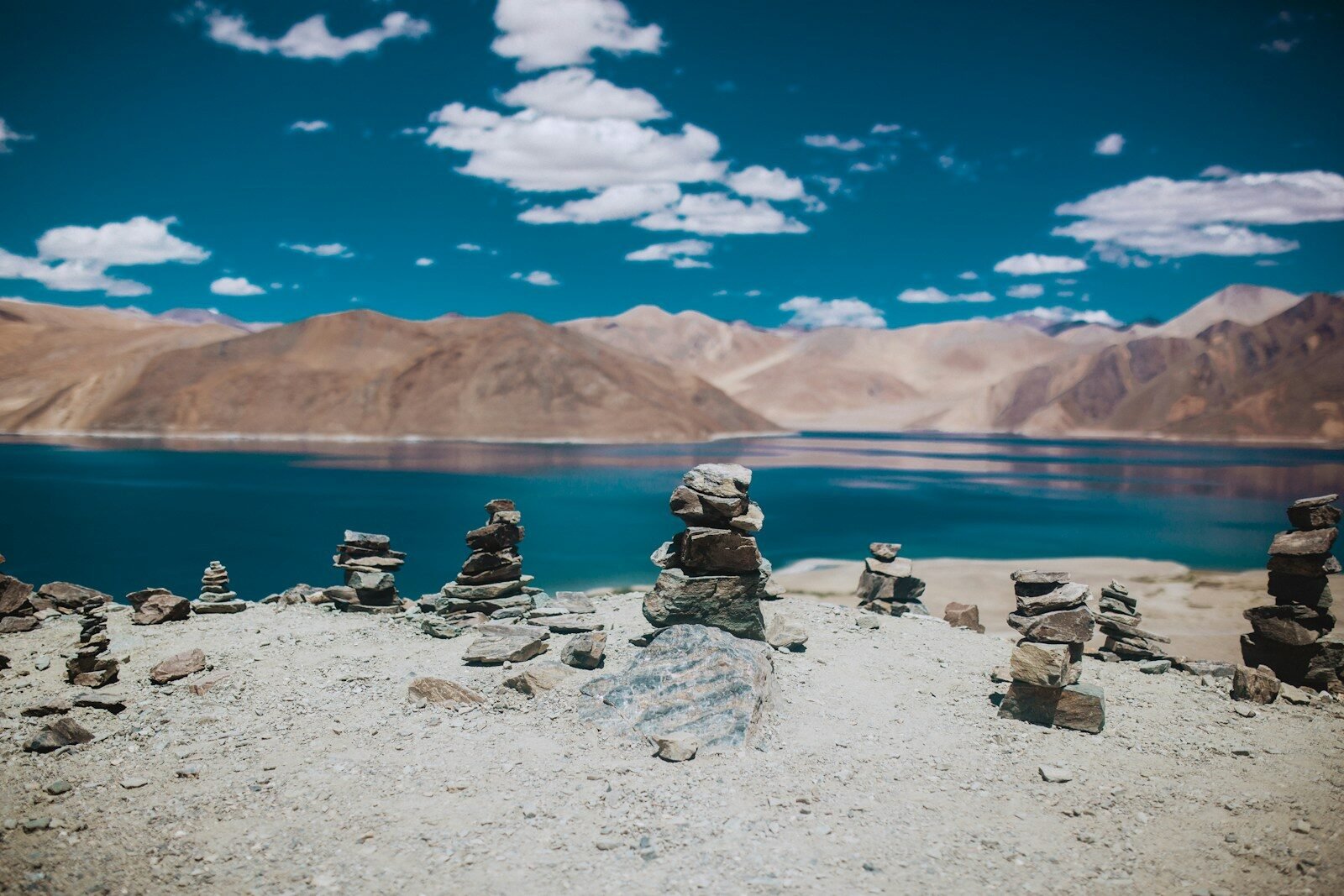





Kashmir, lovingly known as Paradise on Earth, remains one of the world’s most enchanting destinations in 2026. Nestled amid the majestic Himalayas in Jammu and Kashmir, India, this valley weaves together snow-draped peaks, emerald meadows, crystal-clear lakes, rushing rivers, and a vibrant cultural tapestry that has inspired poets, artists, and travelers for centuries. From serene houseboat stays and soul-soothing gardens to adrenaline-pumping adventures and spiritual retreats, Kashmir offers something profound for every kind of traveler—romantics seeking quiet moments, families wanting safe exploration, adventure enthusiasts craving challenges, and soul-searchers looking for inner peace. With improved road connectivity, better tourist infrastructure, reliable accommodations, and a consistently welcoming local spirit, the region continues to draw visitors from across India and the world who seek both natural splendor and genuine hospitality.
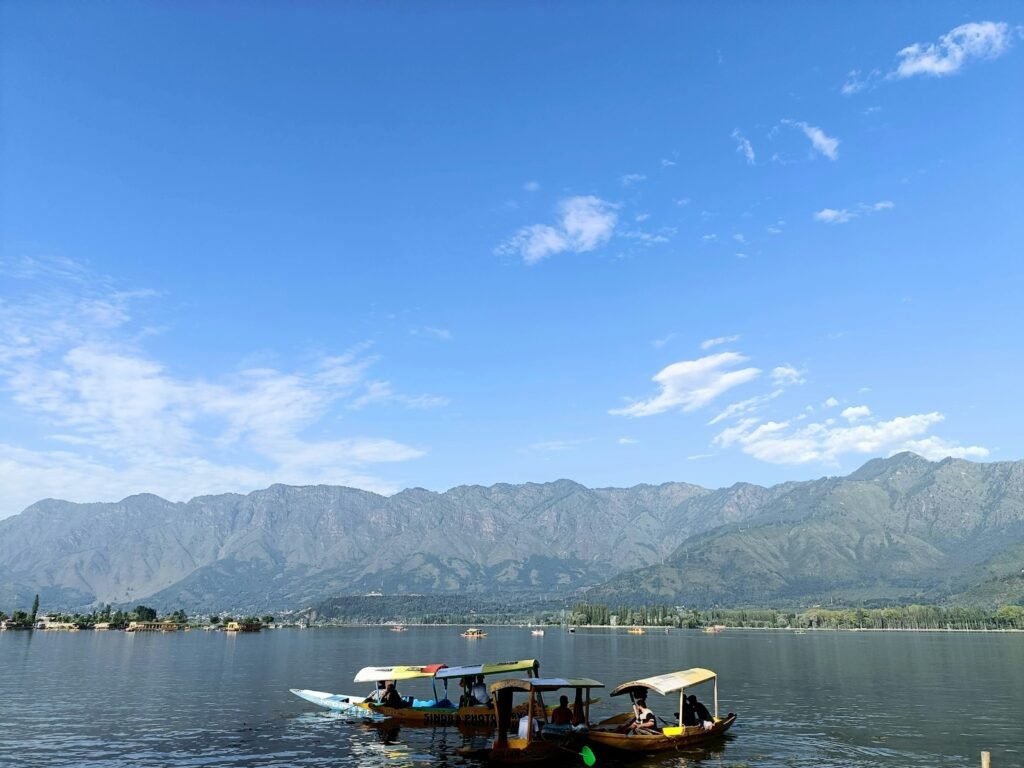
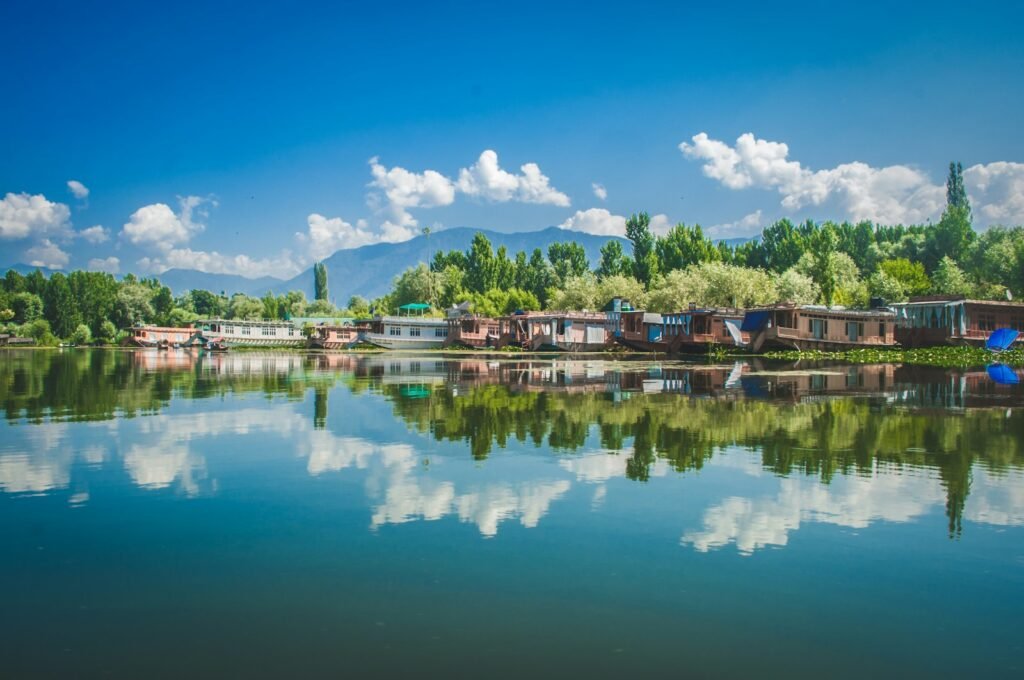
Most journeys begin in Srinagar, the summer capital and the pulsating heart of Kashmiri tourism. The legendary Dal Lake is undoubtedly the crown jewel—a vast, shimmering expanse of water framed by distant mountains and dotted with elegant wooden houseboats and vibrant shikaras (traditional hand-paddled boats). A leisurely shikara ride at dawn or dusk feels almost otherworldly: the gentle lap of water against the boat, the soft call of migratory birds, the play of light on rippling surfaces, and the silhouette of the Zabarwan hills against a changing sky create a symphony of calm and beauty.

For the most authentic experience, spend at least one or two nights on a heritage houseboat. These floating wooden residences, often ornately carved with intricate walnut-wood patterns, provide a timeless way to live on the water. Wake to the aroma of steaming kahwa—green tea infused with saffron, cardamom, cinnamon, and almonds—served by your host. Watch floating vegetable markets drift past your window as vendors call out their fresh produce from small boats. Enjoy home-cooked Kashmiri cuisine prepared with local ingredients: delicate rogan josh, creamy yakhni, tender tabak maaz, and melt-in-the-mouth gushtaba.
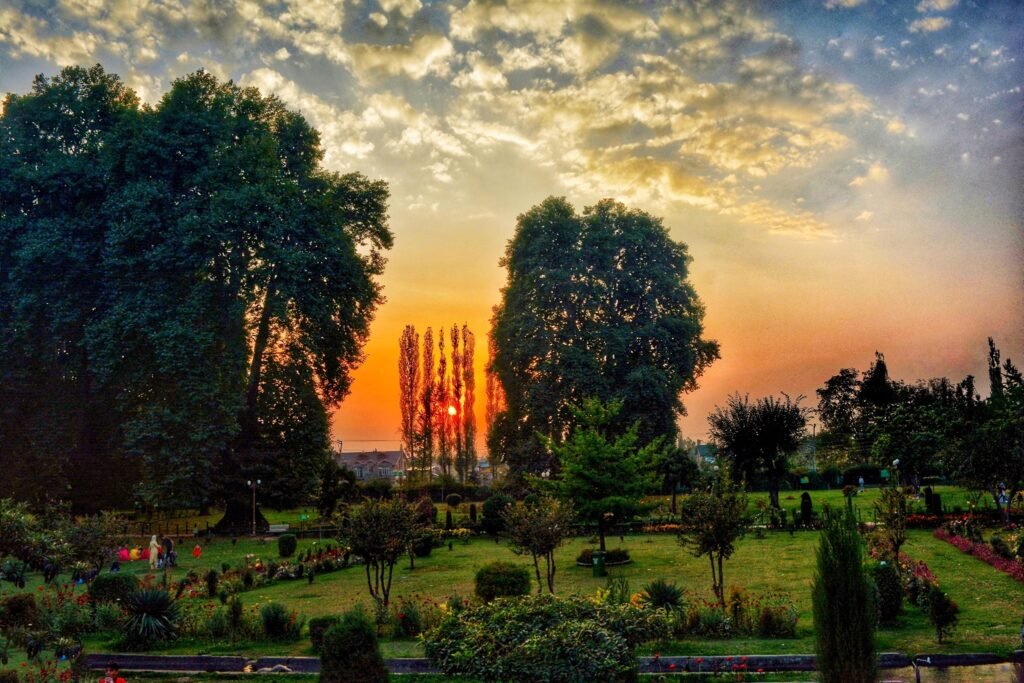
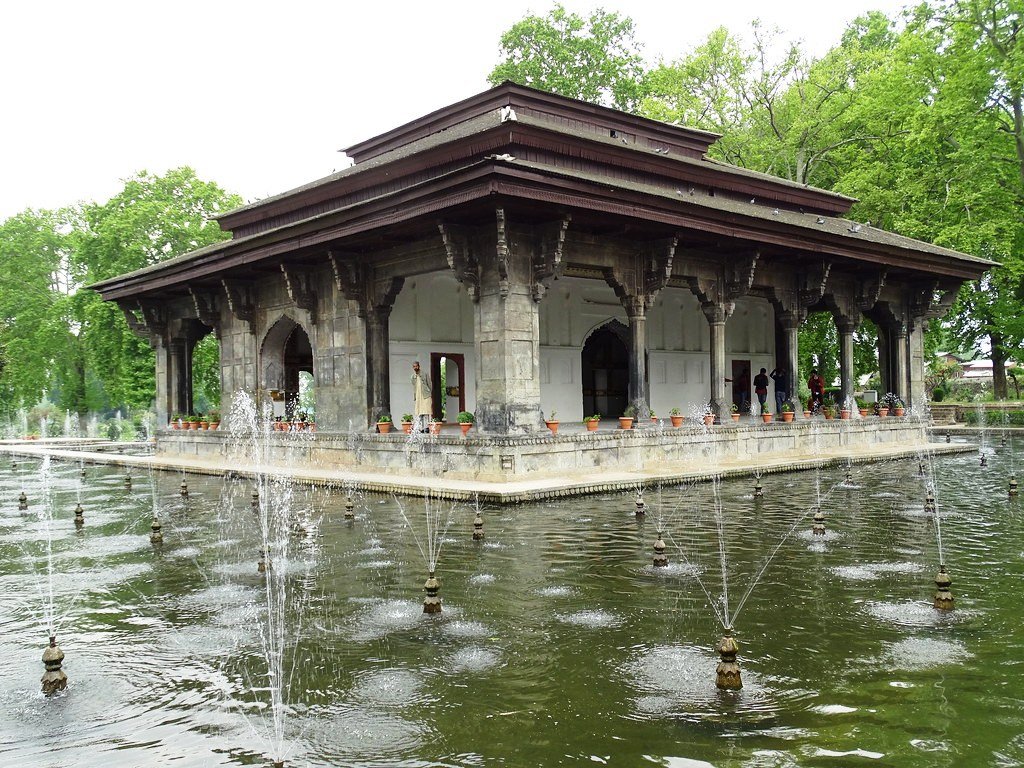
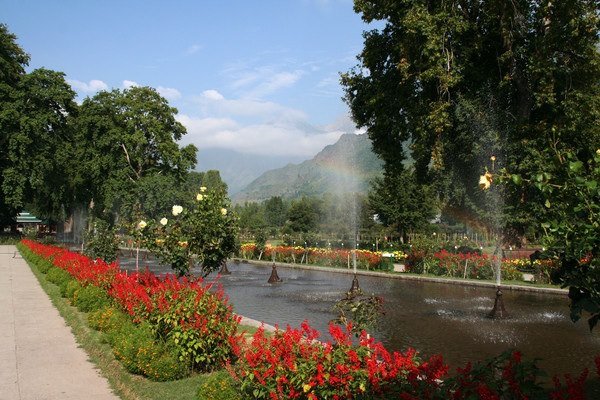
Srinagar is also home to some of India’s finest Mughal Gardens, laid out centuries ago by emperors who fell in love with the valley’s beauty. Nishat Bagh (the Garden of Pleasure) features seven ascending terraces filled with fountains, rose-lined walkways, chinar trees, and seasonal blooms, offering panoramic views over Dal Lake. Shalimar Bagh, built by Emperor Jahangir for his wife Noor Jahan, is more intimate, with shaded pavilions, cascading water channels, and fragrant flowerbeds that seem to float in the air. Both gardens are especially magical during spring when tulips and irises burst into color, or in autumn when the iconic chinar trees turn brilliant shades of gold and crimson.
Wander into Srinagar’s old city quarters to experience living heritage. The bustling bazaars—Polo View, Hari Parbat, and the lanes around Khanqah-e-Moula—offer treasures crafted by skilled artisans: impossibly soft Pashmina shawls, hand-embroidered crewelwork, walnut-wood carvings of intricate latticework, papier-mâché boxes painted with delicate floral motifs, and small quantities of pure Kashmiri saffron. Bargaining is expected and part of the charm—locals are warm, patient, and proud to share stories about their craft.
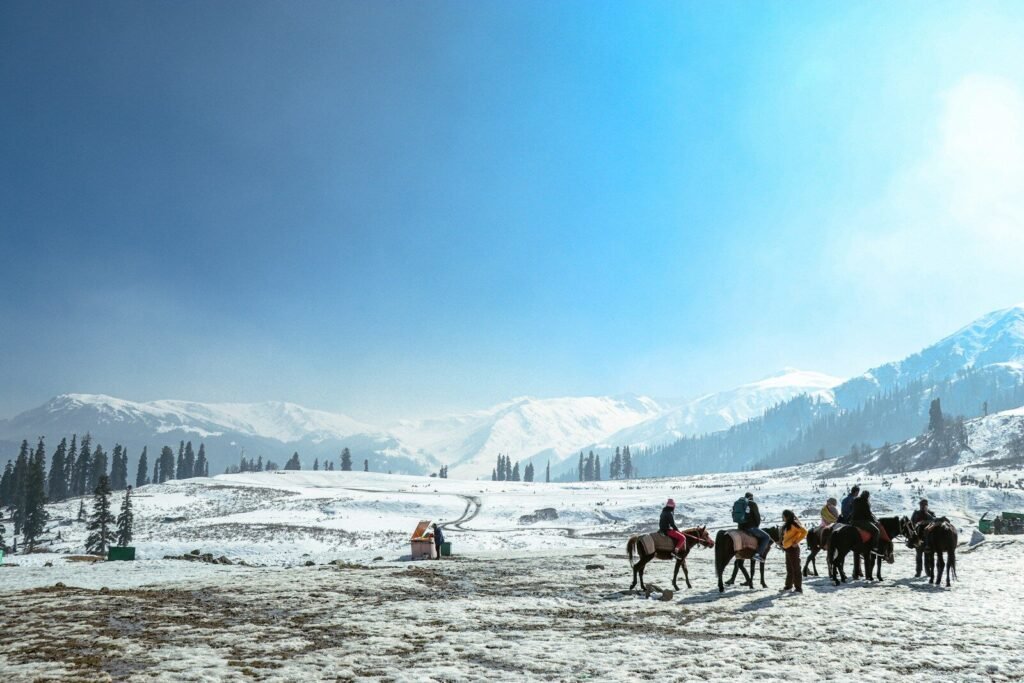
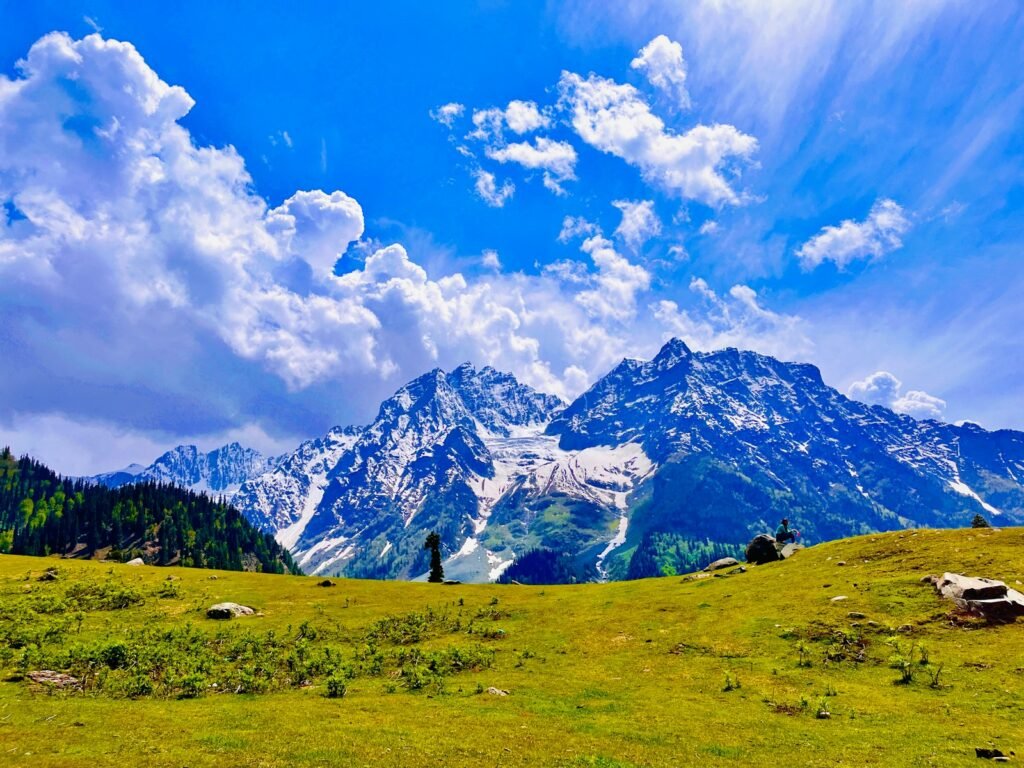
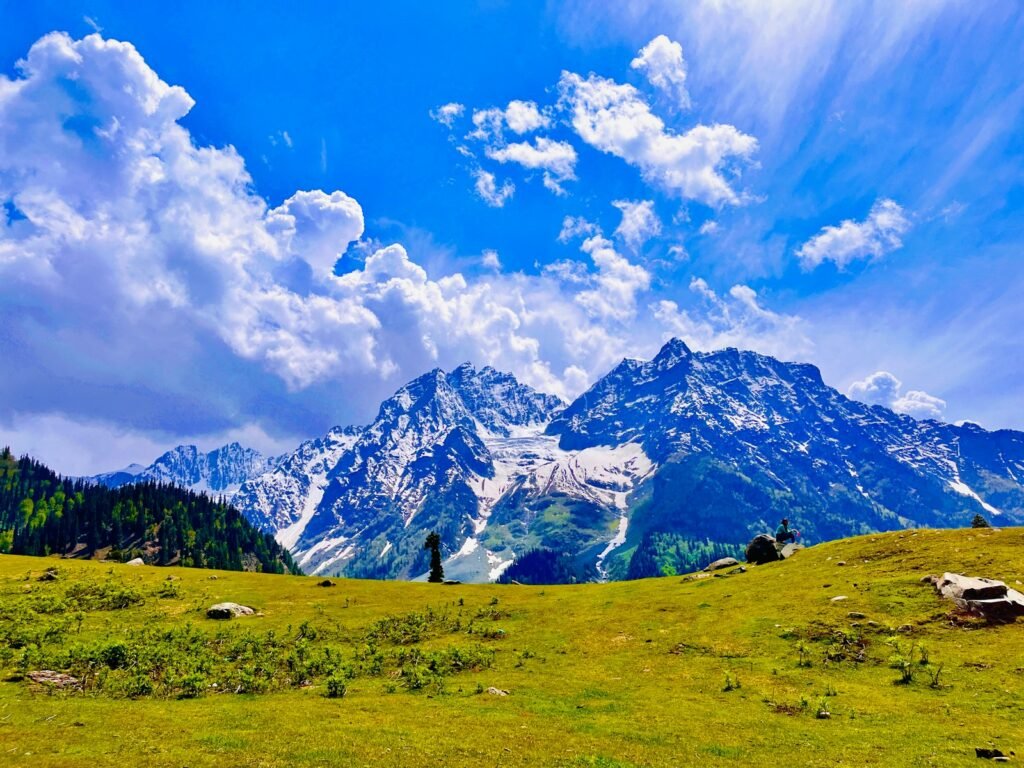
A scenic hour’s drive from Srinagar brings you to Gulmarg, the famous “Meadow of Flowers” that transforms into India’s premier winter ski destination. In the colder months, the entire landscape becomes a pristine white playground with powdery slopes, frozen pine forests, and clear blue skies. The Gulmarg Gondola, one of the highest cable-car systems in the world, climbs in two stages to over 13,000 feet, revealing sweeping views of snow-laden ridges, distant Himalayan giants including Nanga Parbat on clear days, and endless expanses of white.
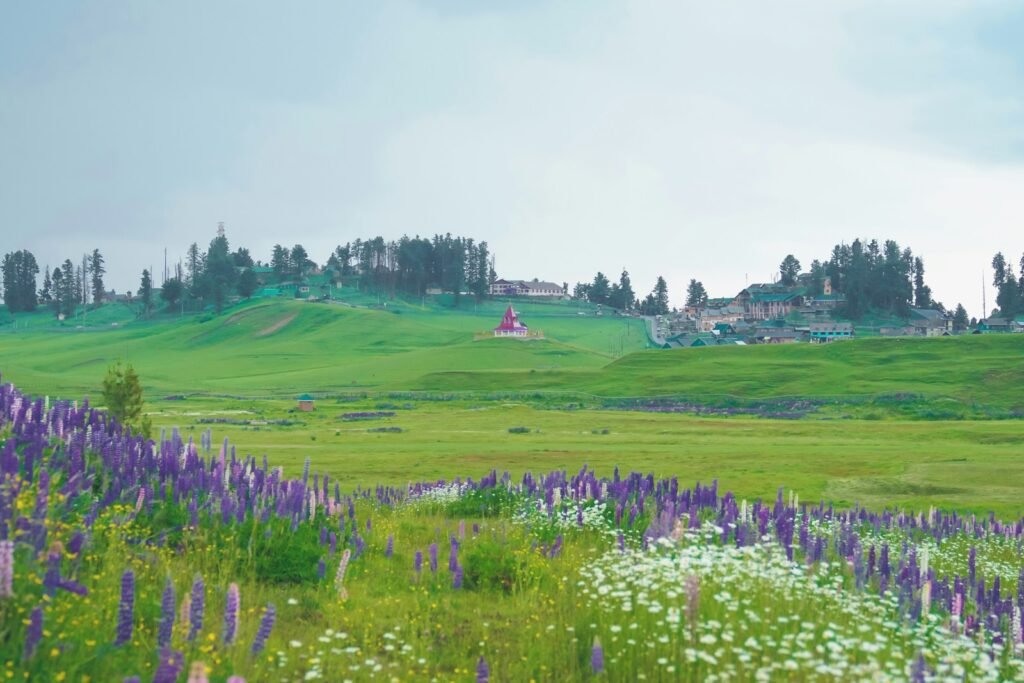
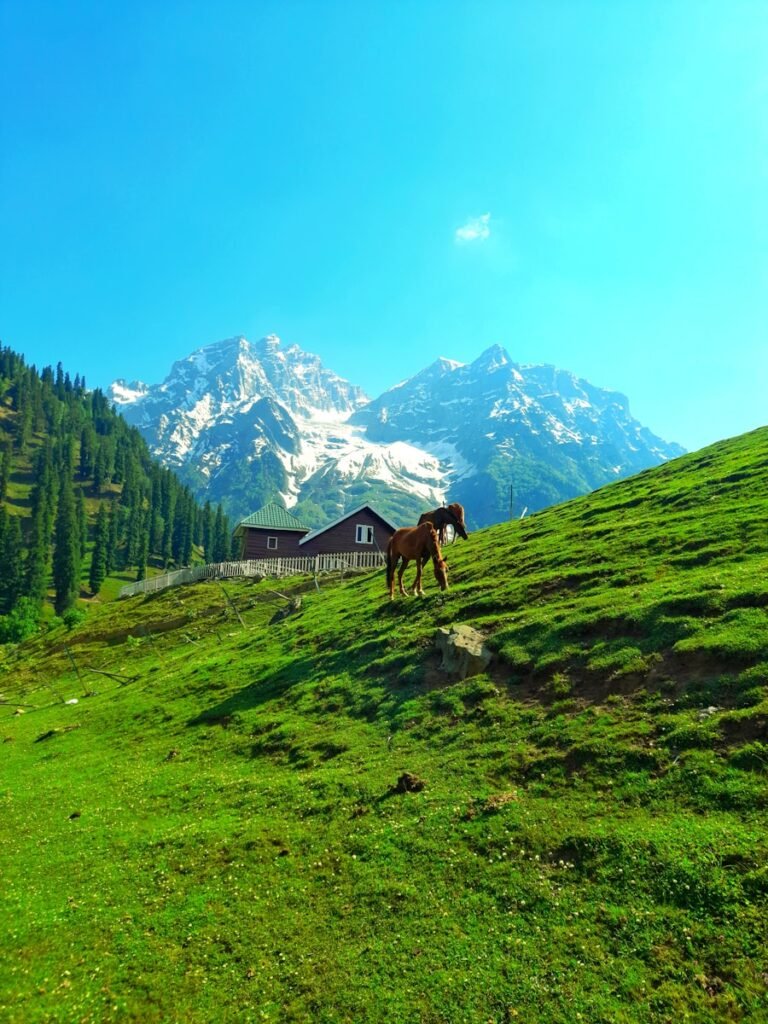
Even outside winter, Gulmarg is breathtaking. Summer and autumn turn the meadows into rolling carpets of wildflowers—poppies, daisies, forget-me-nots, and buttercups—while the world’s highest golf course invites leisurely rounds surrounded by dramatic scenery. Pony rides across the undulating landscape, short hikes to viewpoints, and picnics under open skies make it ideal for families and relaxed travelers.

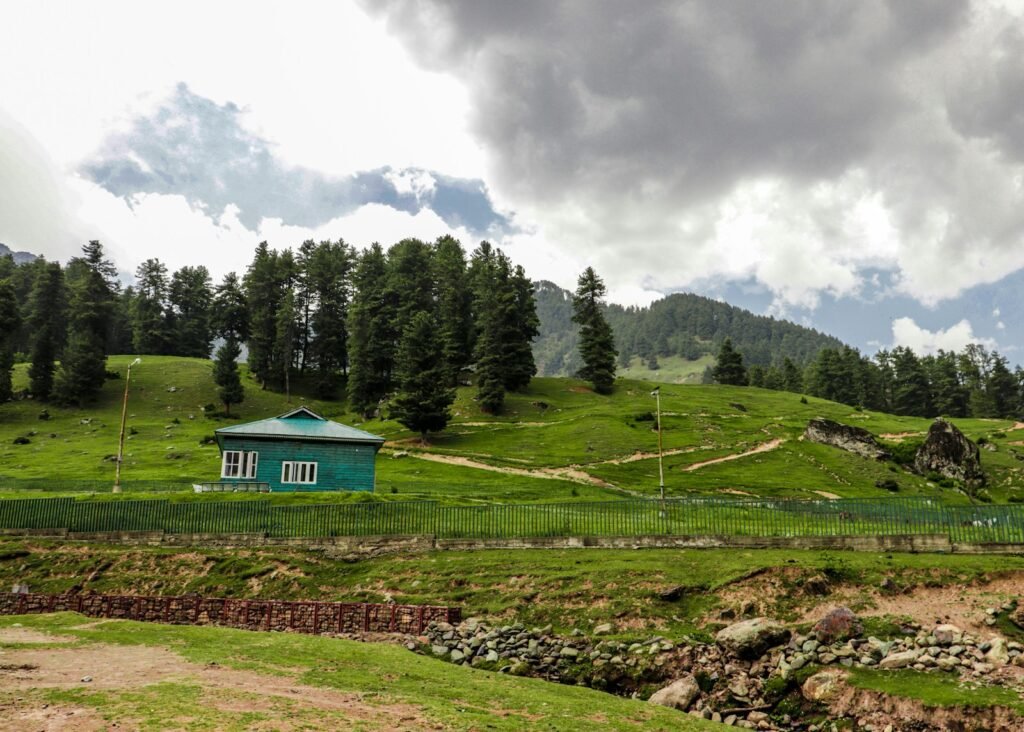
Further into the mountains lies Pahalgam, a peaceful valley cradled by dense pine forests and the gushing Lidder River. Known for its calm and unspoiled beauty, Pahalgam serves as an excellent base for nature immersion. Short, scenic drives or pony rides lead to Aru Valley and the world-famous Betaab Valley, named after a popular Bollywood film shot amid its open grasslands, meandering streams, and towering conifer sentinels. The Lidder River carves through the valley floor, offering excellent trout fishing, riverside picnics, and refreshing dips in summer.
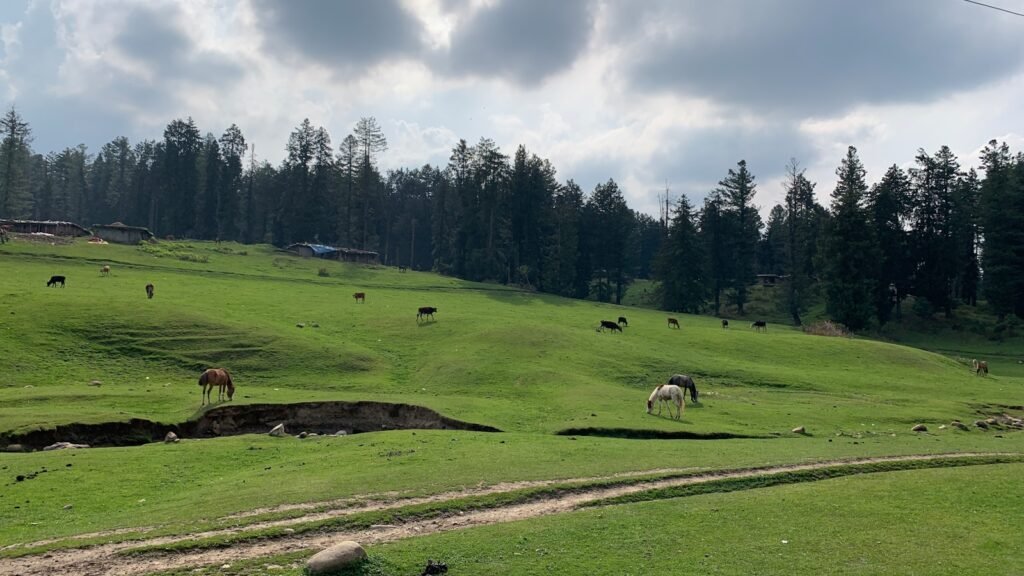
Pahalgam is also a gateway for more adventurous treks. Multi-day journeys to the Kolahoi Glacier—Kashmir’s largest ice formation—reward hikers with dramatic alpine scenery, glacial lakes, and high-altitude meadows. Closer options include Baisaran meadows, often called “Mini Switzerland,” where horses graze and families enjoy open-air picnics.
No Kashmir itinerary is complete without Sonamarg, the “Meadow of Gold.” This high-altitude valley dazzles with lush green pastures in summer and deep snow in winter. The highlight is the relatively easy trek (or pony ride) to Thajiwas Glacier, where a frozen river of ice meets flower-strewn meadows, small waterfalls tumble down rocky cliffs, and ponies wander freely. Sonamarg also serves as the traditional starting point for overland journeys toward Ladakh via the dramatic Zoji La pass.
Beyond the landscapes, Kashmir’s true magic lies in its people and living traditions. Kashmiri hospitality is legendary—strangers are welcomed with a cup of noon chai (the distinctive salted pink tea), warm smiles, and stories shared over a kangri (portable firepot) in winter. A lavish Wazwan feast, prepared by expert chefs, is a cultural highlight: up to 36 dishes featuring slow-cooked mutton, rich gravies, yogurt-based curries, and delicate kebabs, often accompanied by soulful Sufi music or the soft strumming of a rubab.
The valley changes dramatically with the seasons. Spring explodes with tulip gardens and almond blossoms; summer brings cool mountain air perfect for escaping the plains; autumn sets chinar trees ablaze in fiery reds and golds; winter blankets everything in snow, turning houseboats, meadows, and pine forests into a silent, sparkling wonderland.
As of 2026, major tourist circuits remain safe, accessible, and bustling with visitors. Improved roads, better facilities, and a focus on sustainable tourism ensure a smooth experience. Plan thoughtfully—book houseboats and popular hotels early, especially during peak seasons, respect local customs and the fragile environment, carry warm layers for mountain evenings, and allow time to simply sit, breathe, and absorb the serenity.
Kashmir is more than a destination; it is an emotion, a memory that lingers long after you leave. Whether you come for the lakes, the mountains, the culture, or the quiet, the valley welcomes you with open arms. Your journey to this eternal paradise begins at KASHMIRVIBE.COM—your trusted gateway to authentic, unforgettable Kashmir experiences.